… Adelabu says $15.5bn expected from private sector to drive access to electricity by 2030
Nigeria’s Minister of Power, Chief Adebayo Adelabu, has announced that the country will require an estimated $32.8 billion in investment to implement the Mission 300 Compact, a pan-African initiative aimed at providing electricity to 300 million unserved people across the continent by 2030.
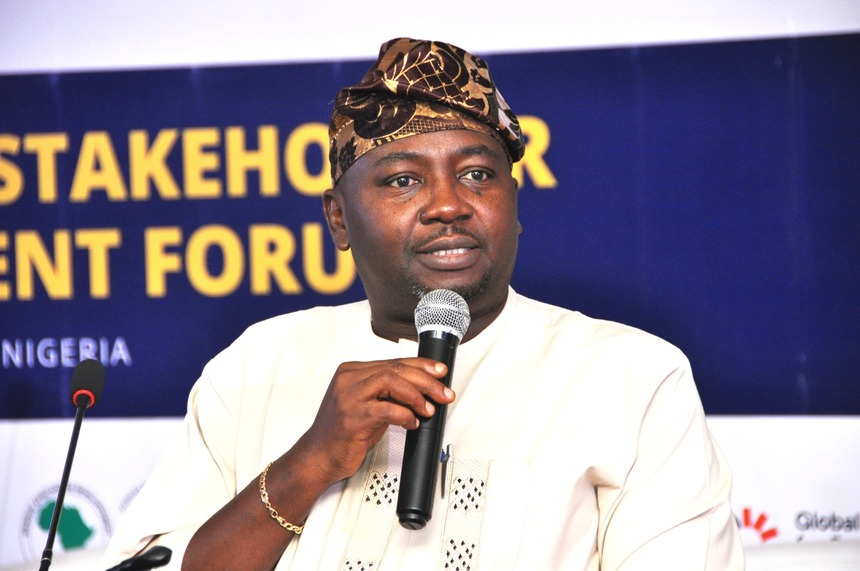
Speaking at the Mission 300 Stakeholders Engagement held on Tuesday, 8 July 2025, in Abuja, Adelabu said $15.5 billion of the funding will be sourced from the private sector, while the remainder will involve contributions from development partners and government institutions.
What Is Mission 300?
The Mission 300 Compact is a high-impact African energy access programme endorsed by President Bola Ahmed Tinubu and 11 other African heads of state in January 2025 during the Dar es Salaam Energy Summit. It seeks to fast-track electricity and clean cooking access across underserved communities.
According to Adelabu, the initiative aligns with Nigeria’s National Energy Compact, which aims to raise electricity access by 5% annually and improve clean cooking access from 22% to 25% per annum.


“Mobilising this level of financing will demand innovation, coordination, and a shared commitment,” Adelabu said, calling on private investors, development partners, NGOs, and civil society to rally behind the project.
Nigeria’s Power Sector Needs Urgent Reforms
Adelabu reiterated the Federal Government’s commitment to reforming Nigeria’s power sector and putting it on a path to sustainability and bankability.
Key reform priorities include:
Clearing ₦4 trillion in outstanding subsidies owed to power generation companies
Transitioning to a cost-reflective tariff system with targeted subsidies for vulnerable Nigerians
Increasing power generation by recovering idle capacity and expanding renewable energy
Upgrading transmission infrastructure to reduce national grid failures
Improving distribution through the Presidential Metering Initiative and DISREP (Distribution Sector Recovery Programme)
Energy Access Is Critical to Economic Growth
The Power Minister emphasised that reliable energy access is crucial for powering hospitals, schools, businesses, and homes across Nigeria.
He also noted that the Ministry is investing in human capital development, boosting local content, and reducing import dependency by training a new generation of energy professionals through its sector-specific training institutions.
“The Federal Government of Nigeria, under President Bola Tinubu, is fully committed to this vision,” Adelabu assured. “We will continue to drive innovation and collaborate with all partners to deliver a sustainable energy future.”
Government Thanks Global Development Partners
Adelabu extended appreciation to the World Bank, the African Development Bank, the Rockefeller Foundation, GEAPP (Global Energy Alliance for People and Planet), and Sustainable Energy for All for supporting the Mission 300 vision.
Also speaking at the event via Zoom, Nigeria’s Minister of Finance, Chief Wale Edun, said ongoing power sector reforms had already led to a 40% increase in power distribution in Q1 2025.
Bottom Line
With Nigeria’s electricity access still below 60% and millions relying on generators and firewood, the $32.8bn Mission 300 Compact represents a transformative opportunity to close the energy gap, stimulate investment, and unlock Africa’s economic potential through reliable and clean power.