
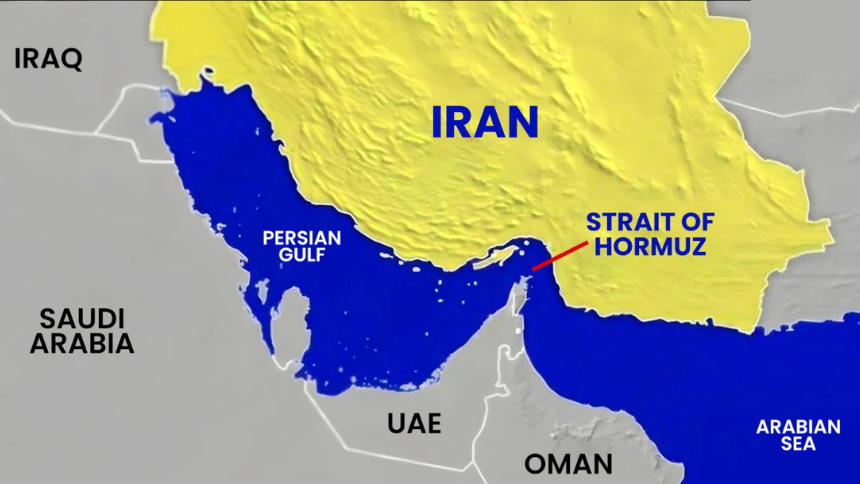
A critical global oil artery may soon be blocked. Iran’s parliament has voted to approve the closure of the Strait of Hormuz, a narrow but vital maritime passage that carries nearly 20% of the world’s oil and liquefied natural gas.
The decision follows a U.S. airstrike on Iranian nuclear sites, escalating a volatile standoff that threatens to destabilise energy markets and global economies.
If Tehran enforces the closure, experts warn crude oil prices could leap from under $80 to as high as $150 per barrel. Oil last came close to this figure in 2008 during the global financial crisis. Now, the world faces a new wave of inflation, costlier fuel, and potential recession as supply chains brace for shock.
According to the U.S. Energy Information Administration (EIA), 84% of crude oil passing through the strait in 2024 was destined for Asia, with India, China, Japan, and South Korea most at risk.
The Strait of Hormuz connects the Persian Gulf to the Arabian Sea. It is a strategic chokepoint for oil exports from Saudi Arabia, Iraq, Kuwait, the UAE, and Iran. A shutdown could stall up to 17 million barrels of oil per day. It would also drive up shipping costs and insurance premiums, delaying global trade in oil and gas and affecting everything from transport to manufacturing.


The ripple effects would be immediate for countries like India, which imports over 80% of its crude oil. Fuel prices could surge, inflation spiral, and fiscal deficits widen.
Iran has often issued threats to close the Strait but has never carried them out. However, this time, analysts fear that parliamentary approval and the military escalation could signal a more serious intent. “Closing the Strait would be devastating, including for Iran,” Anas Alhajji, managing partner at Energy Outlook Advisors, said in a local newspaper. “But we are in uncharted territory now.”