
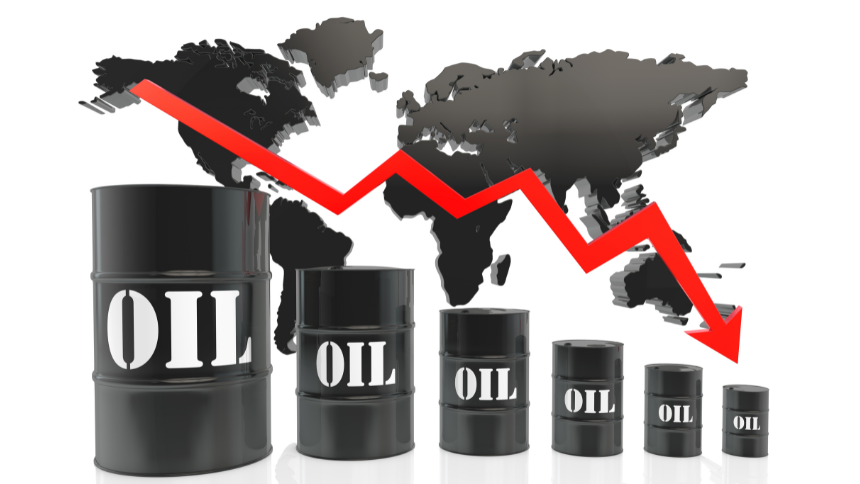
Oil prices dipped again on Wednesday, staying close to a five-month low, as traders worried about renewed U.S.-China trade tensions and a possible oil surplus next year.
Brent crude fell 23 cents to $62.16 a barrel. U.S. West Texas Intermediate slipped 14 cents to $58.56, both near their lowest since early May.
The International Energy Agency (IEA) said global oil supply could exceed demand by up to 4 million barrels per day in 2026, as OPEC+ producers ramp up output. The market may be swimming in excess oil if demand doesn’t catch up.
Bank of America warned that Brent could slide below $50 if trade conflicts deepen and production stays high.


The world’s two largest oil consumers, the U.S. and China, have reignited a trade dispute that’s shaking global markets. Both nations recently imposed extra port fees on cargo ships, sparking fears of disrupted freight routes.
U.S. Treasury Secretary Scott Bessent said Washington “does not seek escalation,” adding that President Donald Trump may meet China’s Xi Jinping in South Korea later this month to ease tensions.
The dispute comes as China struggles with falling prices and a weak property market, while the U.S. Federal Reserve signals more interest rate cuts to stimulate growth. Analysts say that could help steady oil demand later this year.
Meanwhile, Britain has tightened sanctions on Russia’s major oil firms, targeting 51 “shadow fleet” tankers used to evade restrictions. Russia remains the world’s second-largest oil producer after the U.S., and further sanctions could squeeze global supply.
Azerbaijan, an OPEC+ member, reported a 4.2% drop in oil production between January and September, citing lower field output.
Traders now await U.S. inventory data from the American Petroleum Institute and Energy Information Administration. A rise in stockpiles could add further pressure to already weak prices.
Read also: China races to build new oil reserves to shield economy from global shocks