Nigeria’s state oil company, NNPC Ltd, has confirmed an explosion on its Escravos–Lagos gas pipeline, raising fears among nearby communities and sparking an emergency response in Delta State.
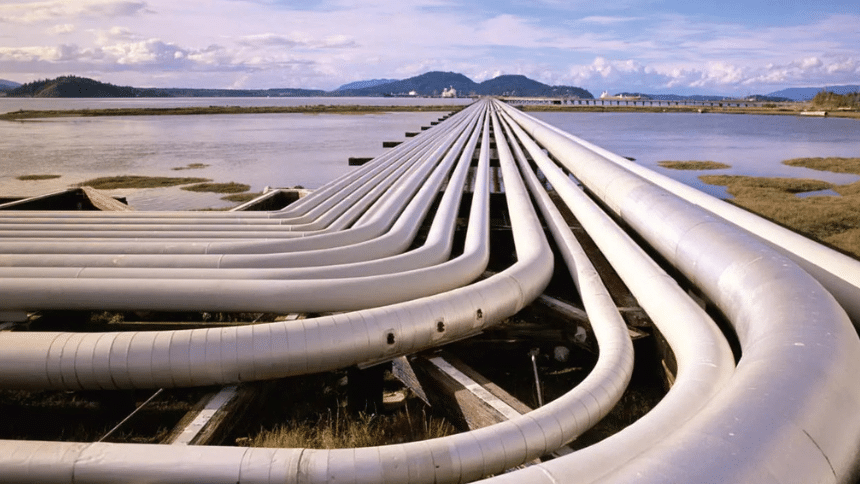
The blast occurred on Wednesday evening near the Tebijor, Okpele and Ikpopo communities in Gbaramatu Kingdom. The pipeline is a major supply route for gas-fired power plants in southwest Nigeria and also feeds the West African Gas Pipeline. A disruption on the line could affect power supply and industrial output.
Andy Odeh, NNPC’s Chief Corporate Communications Officer, said the company first noticed “a pressure drop” on the line. This signaled a loss of containment on the pipeline operated by NNPC Gas Infrastructure Company (NGIC).
“NNPC Limited confirms an incident involving an explosion reported at about 17:50 hours,” he said. “The cause of the explosion is still unknown. It will be confirmed after a detailed investigation.”
Odeh said the top concern was protecting people and preventing harm to surrounding farmlands and waterways. “Our priority at this time is the safety of nearby communities and the protection of the environment,” he said.


Residents told local reporters the blast sent vibrations across the creeks. Some families fled their homes out of fear of another fire. Others waited by the riverbank for updates from community chiefs.
“We saw smoke rising, and everyone became scared,” said a young fisherman in Tebijor. “We just want to know what happened and if we are safe.”
NNPC said it had activated emergency response teams. The company is working with security agencies, regulators, and community leaders to secure the site and prevent a secondary incident.
“Emergency response procedures have been activated,” Odeh said. “We are working closely with relevant authorities and community leaders to ensure a coordinated approach to mitigate the impact.”
The Escravos–Lagos Pipeline System, built in 1989, carries gas from Chevron’s Escravos Gas Plant, which has a capacity of 680 million standard cubic feet per day. The system remains one of the arteries feeding Nigeria’s power sector.
The pipeline supplies the Egbin power station near Lagos and also links to the regional West African Gas Pipeline, part of the longer Nigeria–Morocco Gas Pipeline project.
Pipeline safety has remained a national concern. In March 2025, a major explosion struck the Trans-Niger crude pipeline in Rivers State, sparking a fire along a section that feeds the Bonny export terminal.
Energy analysts say recurring incidents show the need for stronger surveillance, rapid response tools, and deeper cooperation with host communities.
“This is not just about infrastructure. It is about trust and safety,” said an energy governance expert in Lagos. “Every time a pipeline fails, it weakens confidence in the system and affects homes, jobs, and power supply.”
NNPC said it will share more details once investigations are complete. For now, communities wait for clarity, hoping the damage is limited and repairs begin quickly.
Read also: Nigeria’s Renaissance Energy Shuts Pipeline in Rivers After Oil Spill
![The Trump administration environmental rollback [file Brookings Institution]](https://theenergytime.com/wp-content/uploads/2025/12/The-Trump-administration-file-Brookings-Institution-150x150.png)