
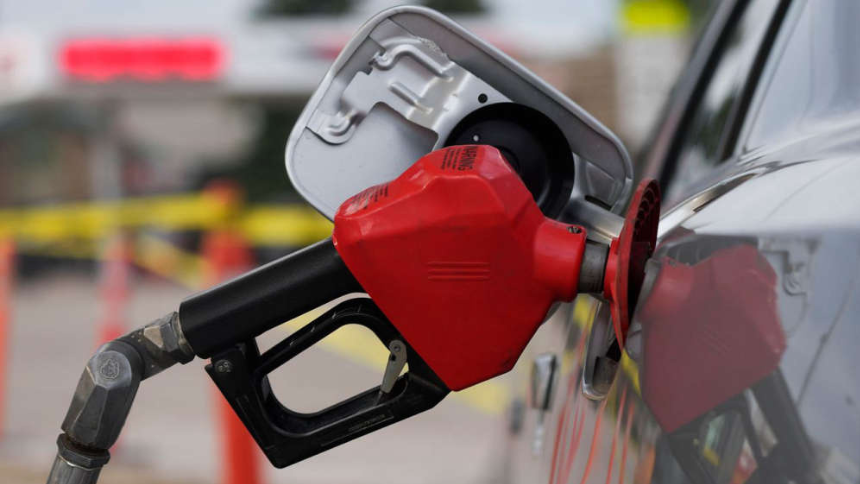
Nigeria’s daily petrol consumption climbed sharply to 63.7 million litres per day in December 2025, well above official targets, adding new pressure to fuel supply as the country relies heavily on a single private refinery.
The data, released in the December 2025 fact sheet by NMDPRA, shows demand rising faster than policy benchmarks, even as domestic refining improves.
In November, average daily petrol use stood at 52.9 million litres. By December, consumption had surged, exceeding the 2025 benchmark of 50 million litres per day by a wide margin.
Fuel supply benchmarks under pressure
The regulator said petrol, also known as PMS, significantly outpaced official expectations in December. This widening gap highlights sustained demand across Nigeria, driven by population growth, economic activity, and fuel substitution trends.


While demand surged, supply relied heavily on the Dangote Petroleum Refinery, now Nigeria’s most important domestic source of petrol.
PMS supply from Dangote rose from 19.47 million litres per day in November to an average of 32.01 million litres per day in December. The refinery reached a maximum refinery capacity utilisation of 71%, showing strong operational performance, though still below its initial 50 million litres per day supply target.
“PMS supply in December 2025 increased due to significant improvement in supply from DPRP,” the regulator said.
State refineries remain offline
In contrast, Nigeria’s state-owned refineries in Port Harcourt, Warri, and Kaduna produced no petrol during the month. All three facilities remained shut or under rehabilitation.
At the Port Harcourt refinery, the regulator noted that no production occurred, although evacuation of previously produced diesel averaged 0.247 million litres per day.
The absence of output from government refineries continues to concentrate supply risk in the downstream petroleum sector.
Diesel and cooking gas show mixed trends
Diesel supply declined to 17.9 million litres per day in December from 20.4 million litres in November. However, daily diesel consumption rose to 16.4 million litres, up from 15.4 million litres the previous month.
Liquefied Petroleum Gas (LPG) supply edged higher to 5.2 metric tonnes per day, reflecting gradual growth in cleaner cooking fuel adoption.
Modular refineries operated at an average capacity utilisation of 63.24%. The Edo Refinery led with 85.43%, while ARADEL Refinery operated at 53.89%.
Why it matters
December’s figures show that Nigeria’s actual fuel demand is running far ahead of official planning assumptions. Sustained improvements in local refining are now critical to easing supply pressure, managing price swings, and strengthening energy security.