Fuel prices are rising again for Nigerians, with pump prices now reaching ₦955 per litre in some regions, as global tensions disrupt oil markets and domestic refining costs increase.
On June 21, MRS Oil Nigeria Plc, a major downstream distributor and partner to the Dangote Refinery, raised its petrol prices in Lagos to ₦925 per litre. In the Southeast and Northeast, prices have climbed to ₦955. Meanwhile, the Nigerian National Petroleum Company Limited (NNPCL) has adjusted its rates to ₦915 in Lagos and Abuja, up from ₦870 in March.
This spike follows a series of geopolitical escalations between Israel and Iran that have pushed crude oil prices up by nearly 3% in just one week. Brent crude briefly surged to $78 per barrel before stabilising around $73, as fears mount over disruptions to global oil supply. Responding to these pressures, the Dangote Refinery increased its ex-depot price from ₦825 to ₦880 per litre.
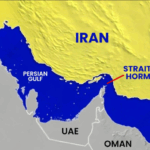
The Middle East conflict reached a boiling point when U.S. forces launched coordinated strikes on Iran’s nuclear facilities on June 22, an operation U.S. President Donald Trump hailed as a “spectacular military success.” In retaliation, Iran threatened to shut the Strait of Hormuz—a critical oil route that handles 20% of global crude shipments. Analysts warn that a full blockade could push crude prices as high as $150 per barrel.
A nation at the pump
Consumers are already feeling the pinch. A litre of petrol that cost ₦860 in Lagos in March now costs ₦925—an increase of 7.5% in just three months. The jump is steeper for regions like the Southeast: from ₦905 in May to ₦955 now, a 5.5% surge.


Behind these hikes lies a deeper structural challenge. Although the 650,000 barrel-per-day Dangote Refinery is Africa’s largest, the facility still depends on imported crude, exposing Nigeria to international price swings. Furthermore, the naira’s depreciation, now trading around ₦1,500 to the dollar, has worsened the cost of refined imports and operational expenses.
The fuel pricing structure now looks like this:
- Lagos: ₦925 (MRS), ₦915 (NNPC)
- Southwest States: ₦935
- Southeast/Northeast: ₦955
- Northwest/North Central: ₦945
Will prices ever fall again?
Experts say fuel prices will remain volatile unless Nigeria strengthens its naira, boosts local oil output, and expands refining capacity beyond Dangote. The country’s dependence on market-driven pricing, adopted after fuel subsidies were scrapped in 2023, means global events directly impact local wallets.
Until then, ordinary Nigerians may need to brace for continued price swings at the pump.
Read more on Nigeria’s $2.4bn refineries idle as fuel traders rely on imports, Dangote’s output