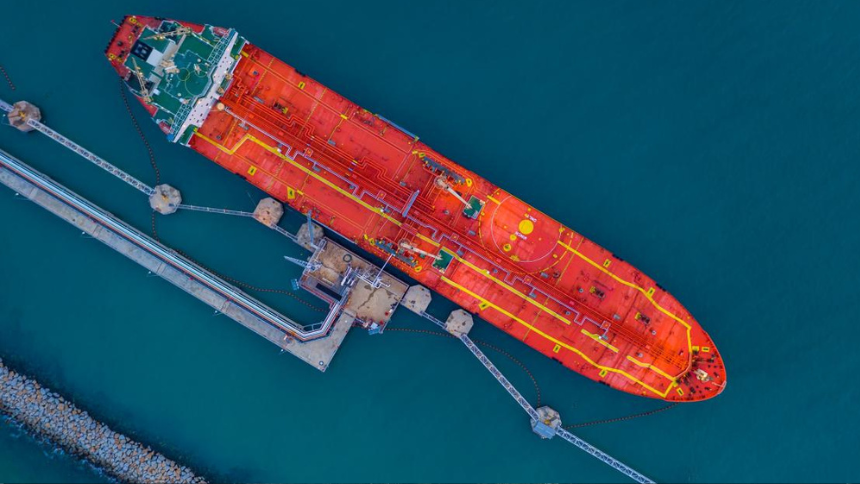
The cost of moving liquefied natural gas (LNG) has surged to its highest point in eight months as global tensions rise and shipping routes stretch. This jump is squeezing suppliers and reshaping trade routes across Asia, Europe, and the Middle East.
According to Spark Commodities, LNG freight rates in the Atlantic hit $51,750 per day for standard two-stroke engine tankers carrying 174,000 cubic meters, the highest since October 2024. In the Pacific, rates climbed to $36,750 a day. This steep rise is driven by a sharp decline in vessel availability, compounded by growing instability in the Middle East.
Analysts say recent shifts in U.S. LNG pricing have made sending cargoes to Asia or Europe equally profitable. As a result, more tankers are heading east, taking longer journeys via the Cape of Good Hope. This reduces the number of ships available for new charters, driving rates upward. A massive LNG tender from Egypt, requesting up to 160 cargoes through 2026, has only fueled the fire.
The ongoing Israel-Iran conflict has worsened the situation. Tensions around the Strait of Hormuz, a crucial artery for nearly 20% of global oil and gas flows, have made shipowners wary. War risk premiums for LNG tankers navigating the strait have reportedly soared fivefold. Insurance costs have surged, further tightening the market as some owners delay or cancel charters to avoid potential danger.
With nearly all of Qatar’s LNG exports passing through the Strait of Hormuz, any disruption could ripple across global energy markets. While news of a possible ceasefire between Iran and Israel briefly calmed oil prices, freight rates remain elevated as traders brace for volatility. The LNG sector, already stretched by growing demand and longer delivery times, now faces a critical test in supply resilience.


Read more on Strait of Hormuz: Eight vital facts behind the world’s oil lifeline now at risk