Iran is threatening to withdraw from the landmark Nuclear Non-Proliferation Treaty (NPT) and shut the Strait of Hormuz in response to escalating Israeli airstrikes, a move that could destabilise global oil markets and upend nuclear diplomacy.
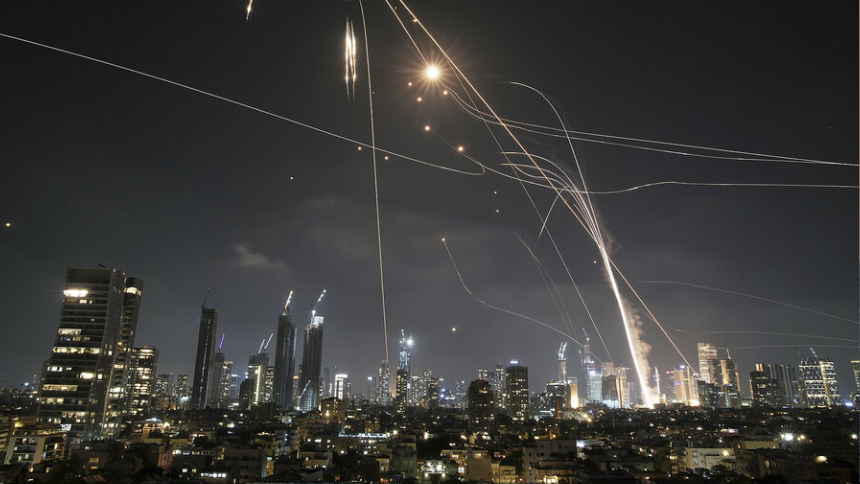
The renewed threats follow Israel’s unprecedented attack on Iran’s nuclear sites and military installations on June 13. The assault killed several top commanders of Iran’s Islamic Revolutionary Guards Corps (IRGC) and nuclear scientists. The Middle Eastern country’s Health Ministry says 224 civilians, including children, have died since the strikes began. Tehran responded with missile counterstrikes that killed at least 24 people in Israel, according to Israeli authorities.
In retaliation, Iranian lawmakers have introduced a bill to quit the NPT, a treaty central to international nuclear diplomacy. Foreign Ministry spokesman Esmail Baqaei confirmed on June 16 that Tehran is also considering closing the Strait of Hormuz if Israeli airstrikes continue. The narrow waterway handles nearly 20% of the world’s seaborne oil trade.
Crude and geopolitical tremors
The stakes couldn’t be higher. Any disruption in the Strait of Hormuz would ripple across global energy markets. Yet analysts like Gregory Brew of the Eurasia Group caution that Iran is unlikely to act on its threats immediately.
“Closing the strait is Iran’s nuclear option, it would draw a military response from the U.S. and Gulf states,” Brew told RFE/RL. He added that Iran also relies on the Strait to export oil to China, its key economic partner.


Still, war jitters have already intensified in the region. On June 17, two oil tankers, the Front Eagle and the Adalynn, collided and caught fire near the Strait. While no injuries or oil spills were reported, the UAE Coast Guard evacuated 24 crew members from the Adalynn. Experts suspect electronic interference, likely a result of escalating hostilities, disrupted navigation systems in the area.
According to Vortexa, between 17.8 million and 20.8 million barrels of oil and fuel pass through the Strait daily. As tankers anchor around Fujairah, Sharjah, and Khor Fakkan, some shipping companies pause voyages. Others await charter hires amid growing uncertainty.
Political theatre or policy pivot?
Despite harsh rhetoric, Iran’s exit from the NPT remains improbable. Hardliner lawmakers like Hamid Rasaee argue the treaty failed to prevent Israeli aggression. But analysts say Supreme Leader Ayatollah Ali Khamenei—who holds ultimate authority—would be reluctant to forfeit Tehran’s legal shield.
“Iran’s defense rests on the NPT and the claim that its nuclear program is peaceful,” said Hamidreza Azizi of Germany’s Institute for International and Security Affairs. “Leaving the treaty would destroy that narrative.”
Khamenei’s 2010 fatwa forbids the development of nuclear weapons, yet critics argue the religious decree could be reversed at any moment. So far, Tehran continues to insist it has no intention of acquiring a bomb.
“The fatwa is a political tool, not a strategic barrier,” Azizi explained.
Even so, every missile launched or tanker threatened tightens the fuse on a geopolitical powder keg, where one miscalculation could ignite a global crisis.