
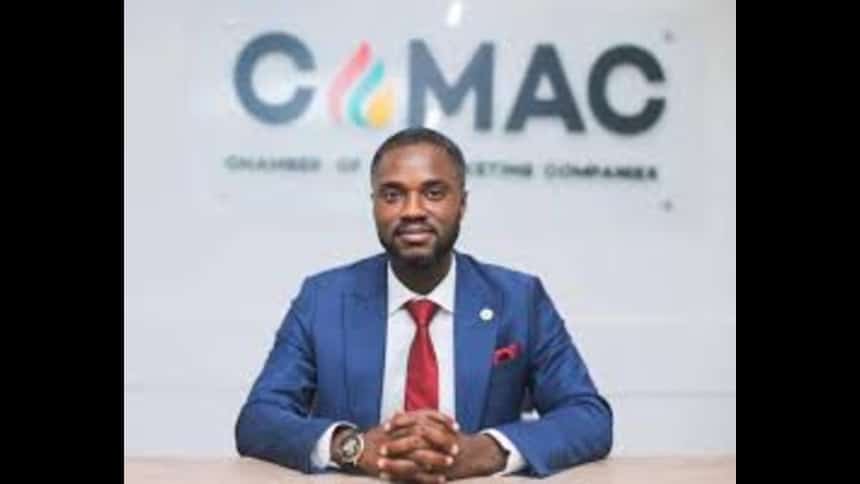
Riverson Oppong, CEO, Ghana’s Chamber of Oil Marketing Companies (COMAC) and Africa Regional Director, has said that Africa is emerging as the next major growth hub for the downstream oil and gas industry.
Speaking at the 2025 Oil Trading and Logistics (OTL) Africa Downstream Week in Lagos on Thursday, during a session titled “Emerging Business Models within the Downstream Landscape,” Oppong projected that the African downstream market would grow from $80.5 billion in 2024 to $120.8 billion by 2032.
He noted that while demand in traditional markets such as Europe and North America is expected to decline by 2035, Africa remains a strong growth region.
Citing a McKinsey report, he said the continent is forecast to see a demand increase of 2.2 million barrels per day between 2019 and 2035 — a compound annual growth rate (CAGR) of 2.3 percent — positioning Africa alongside South and Southeast Asia as one of the world’s fastest-growing downstream markets.
Read also:Aradel expands footprint in Nigeria’s oil and gas sector with ND Western buyout


Oppong emphasised the urgent need for digitisation and innovation in downstream operations, describing them as “no longer optional but fundamental” for competitiveness and value creation.
He explained that digital transformation could deliver significant performance improvements, including a 12–20 percent reduction in operating costs, a 6–12 percent increase in throughput, a 15–25 percent decline in unplanned shutdowns, and an 8–12 percent boost in plant efficiency.
He identified technologies such as Advanced Process Control (APC), digital twins, and predictive maintenance as key tools for enhancing efficiency and reliability across refineries and depots.
To fully realise these benefits, he advised operators to assess their digital maturity, establish clear transformation roadmaps, and pilot scalable digital solutions.
Oppong further noted that joint ventures would remain essential for managing capital intensity, sharing risk, and expanding market reach.
“Smaller operators can enhance competitiveness through strategic alliances and partnerships, especially in markets like Ghana where the top 10 of over 200 oil marketing companies dominate,” he added.
Read also: Shell pulls plug on $1.3 billion Rotterdam biofuels plant as costs soar
He also called for stronger regulatory frameworks that balance innovation with safety and environmental protection, alongside greater investment in digital infrastructure, data analytics, and workforce development to build long-term resilience in the sector.
“The continent’s energy future will depend on a long-term vision that prioritises sustainable value creation over short-term gains,” Oppong concluded.