Iraq, one of the world’s largest oil producers, has taken a significant step toward diversifying its energy mix with the launch of its first grid-connected solar power plant.
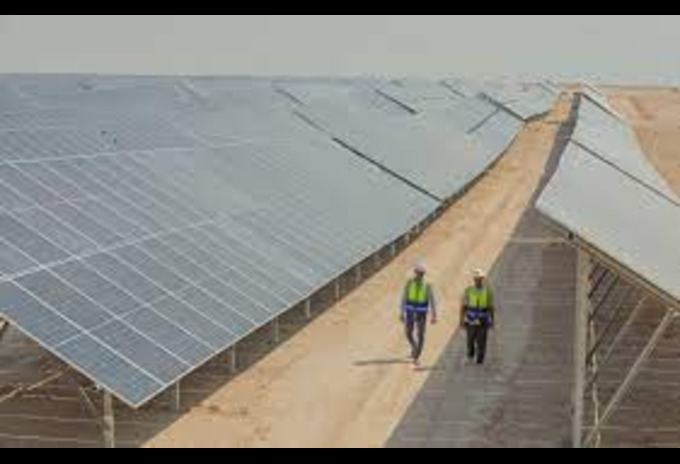
On Sunday, 21 September, the Ministry of Electricity announced the commissioning of the first phase of the 300-megawatt Karbala solar project, which has already started generating 22MW of power. Output is expected to rise to 75MW within two months, according to local media reports.
Iraq’s Oil Wealth vs. Power Deficit
Iraq is OPEC’s second-largest crude producer, with daily output of around 4.44 million barrels and proven reserves of 143 billion barrels, enough to last more than four centuries at current consumption levels.
Yet despite its oil wealth, Iraq suffers from chronic electricity shortages driven by years of conflict, corruption, and underinvestment. Peak demand hit 55,000MW this summer, while actual production is capped at about 28,000MW — much of it dependent on natural gas imports from Iran.


Karbala Solar Park and Beyond
The Karbala project spans some 400 hectares in the al-Hur district southwest of Baghdad, with 39,000 panels installed in the first stage. Once completed, the project will expand to 525MW across Karbala and Babil, improving grid stability and reducing reliance on fossil fuels.
Additional projects are also underway: a 225MW solar facility in Babil province, and a 1,000MW solar park in Basra. Deputy Electricity Minister Adel Karim said Iraq has a pipeline of solar projects with a combined capacity of 12,500MW at various stages of implementation, approvals, and negotiations. These could meet up to 20 percent of national demand (excluding the Kurdistan region).
Solar Potential vs. Import Dependence
Experts argue Iraq is well-positioned for a solar revolution. A research paper titled “Solar Energy in Iraq: Potential and New Technologies” notes that the country enjoys 2,800–3,000 hours of sunlight annually and some of the world’s highest solar energy density. Desert regions covering 220,000 km² record irradiation levels exceeding 1,900 kWh/m².
In terms of cost, analysts say the lifetime price of solar power is already lower than fossil fuel generation when equipment costs are factored in.
Geopolitical Risks
Iraq’s reliance on Iranian gas remains precarious. Sanctions on Tehran, coupled with energy shortages inside Iran, have disrupted supply. In March, the U.S. ended a sanctions waiver that allowed Iraq to buy electricity directly from Iran, although it still permits imports of Iranian gas.
Iran itself is grappling with an energy crisis. In late 2024, power shortages forced the closure of schools, banks and government offices in Tehran and other provinces, with 13 power plants shut down due to fuel shortages.
Towards a Balanced Energy Future
For Iraq, the expansion of solar power is both a strategic necessity and an economic opportunity. While oil will remain the backbone of the economy, renewable energy offers a path to easing domestic shortages, reducing dependence on imports, and supporting long-term energy security.