
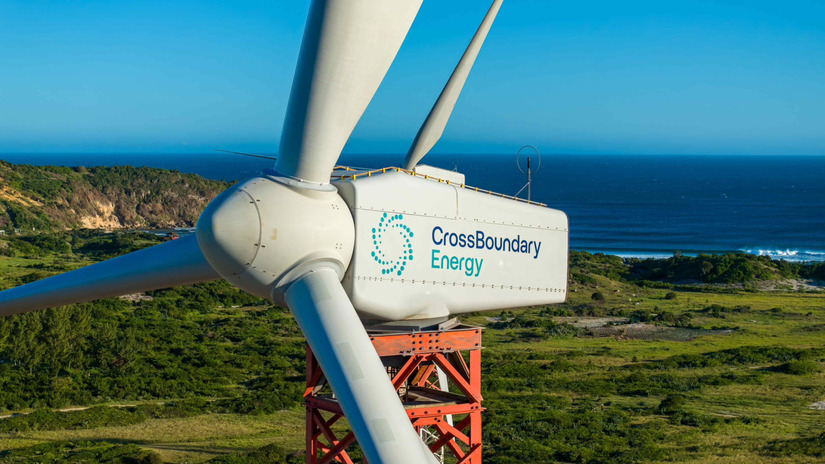
Denmark’s development finance institution, Impact Fund Denmark, has invested $40 million in CrossBoundary Energy (CBE) to scale up clean and reliable power solutions for businesses across Africa, including Nigeria.
The investment by Impact Fund Denmark is expected to accelerate the deployment of solar and battery energy systems that will help companies cut reliance on costly diesel generators, lower carbon emissions, and improve access to stable electricity.
Nigeria, Africa’s biggest economy, is among the countries where businesses face some of the continent’s steepest energy costs due to unreliable grid supply and widespread dependence on diesel. Analysts say the partnership could provide relief to manufacturers, telecom operators, and service industries that grapple with erratic power and rising fuel prices.
“This investment aligns with our primary objectives: tackling climate change, supporting poor and fragile regions, and fostering growth in Africa,” said Thomas Hougaard, Managing Director and Co-Head of Green Energy and Infrastructure at Impact Fund Denmark.
“By supporting CrossBoundary Energy, we are contributing to sustainable development, reducing carbon emissions, and improving the quality of life for communities across Africa.”


CBE, which develops, finances, and operates distributed renewable energy projects, already has a portfolio of 30 projects in eight African countries, including Nigeria. Its clients range from multinational firms, such as Unilever and Guinness, to the mining giant Rio Tinto. The company offers long-term power purchase agreements that eliminate upfront costs for businesses seeking reliable green power.
“Our zero-CapEx model lowers the barrier to entry for African businesses seeking stable, clean, and cost-effective power,” said Pieter Joubert, President and Chief Investment Officer at CrossBoundary Energy. “These companies’ balance sheets are freed up to invest in their core activities, allowing them to reach and exceed their targets and unlock further economic value.”
CBE has supported transformative projects across the continent, from powering telecom towers with solar and batteries for Sierra Leone’s first 5G rollout to building Madagascar’s first wind farm alongside a 14 MW solar project for Rio Tinto.
About African electricity issues:
In many African countries, grid reliability is low with daily outages. This includes:
- In Nigeria and South Africa, grid power is unreliable due to outages and load shedding
- In Madagascar, Mozambique, and DRC, limited grid access makes off-grid solutions essential
- Zambia currently relies on hydropower for 80% its electricity generation, but recent droughts have shown the limitations of this energy source
- Zimbabwe has severe electricity capacity constraints, with annual estimated losses of 6.1% of GDP due to power shortages.