Spain has granted citizenship to 170 descendants of volunteers who fought in the International Brigades during the Spanish Civil War, recognizing their relatives’ role in opposing fascism and supporting the Spanish Republic.
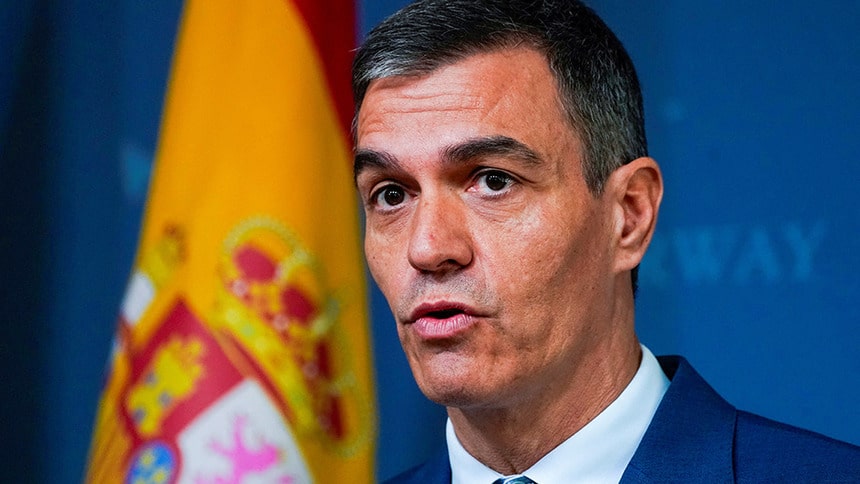
According to The Guardian, the announcement was made during a ceremony in Madrid, where Prime Minister Pedro Sánchez said the decision honours the contributions of those who fought for democracy nearly 90 years ago.
“It will be an honour to call them compatriots. We call for the defence of the same democracy as they did at a time when it is under threat around the world,” Sánchez said.
Recognition of the International Brigades
The Guardian informs that an estimated 32,000 volunteers from around the world joined the International Brigades to support the Republican side during the Spanish Civil War between 1936 and 1939. About 2,500 of them came from Britain and Ireland, and more than 500 lost their lives in the conflict.


Jim Jump, chair of the International Brigade Memorial Trust in London, said the Spanish government’s decision showed its effort to confront the legacy of the Franco dictatorship.
“Many families of International Brigaders continued to campaign for the restoration of democracy in Spain during those dark years. Spanish citizenship for them fulfils the spirit of the historic pledge made by the Spanish Republic to offer a home for the Brigaders,” he said.
This month marks the 50th anniversary of the death of Francisco Franco, whose coup in 1936 led to the civil war and decades of authoritarian rule.
Broader Moves on Historical Memory
Peter Crome said the citizenship recognition followed years of advocacy by organisations in Spain and abroad. Between 2009 and 2013, citizenship was granted to 23 surviving members of the brigades.
The Spanish government has also initiated legal action to outlaw the National Francisco Franco Foundation, giving it ten days to respond to allegations that it promotes “an apologia for Francoism” and undermines the dignity of dictatorship victims.
Sánchez announced plans for a royal decree to remove symbols and relics of the dictatorship from public spaces “without excuses or delays.”
Honouring Victims of the Dictatorship
In addition to honouring the descendants of the international volunteers, the Spanish government also recognised 18 victims of the dictatorship, including the poet Federico García Lorca, killed in 1936, and filmmaker Luis Buñuel, who lived in exile.
Lorca’s niece, Laura García Lorca, said: “On receiving this recognition today, we think not only of Federico but also the tens of thousands of women and men who lost their lives, their freedom or their freedom of expression.”
Other honorees included athlete Margot Moles Piña, trade unionist Antonio Menchén Bartolomé, and María Luisa Ramos Barril, 98, who survived deportation to the Mauthausen concentration camp in 1940.