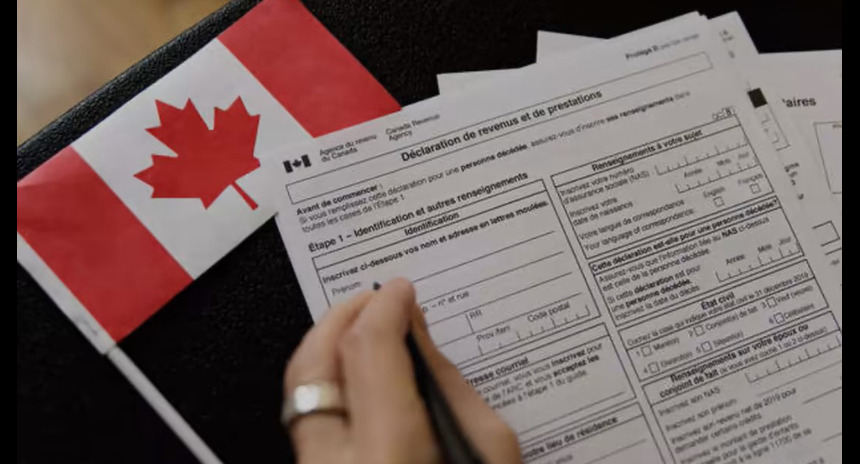
Canada’s immigration backlog grew to 958,850 applications as of August 31st, 2025, according to new data from Immigration, Refugees and Citizenship Canada (IRCC).
This represents a 57,150 increase from the previous month, a 6.3% rise since July, and a 13.8% increase since June 30th.
According to Immigration News Canada (INC), while the total inventory of immigration applications slightly declined from 2,226,600 in July to 2,199,400 in August, the proportion of backlogged cases has risen to 43.6% of all files.
This indicates a growing challenge in maintaining service standards across all immigration streams.
Citizenship Applications: Stable Inventory, Modest Backlog Growth


The total inventory of citizenship applications stood at 259,500 as of August 31. Of these, 51,200 were backlogged, which represents 19.7% of the total. The remaining 208,300 (80.3%) were processed within service standards.
Compared to July, the backlog increased by 2,400 applications, a 4.9% rise. Since June 30th, the backlog in this category has grown by 3,800 applications or 8%. However, citizenship remains the most stable category, with a backlog rate still close to IRCC’s 80% service standard target.
IRCC data shows 103,880 citizenships were granted between April and August 2025. Adult grant applications form the majority, while applications for minors are typically processed more quickly.
Permanent Residency: Largest Contributor to Backlog Growth
Permanent residency (PR) applications accounted for the largest portion of the backlog. As of August 31st, there were 901,800 PR applications in inventory, with 470,300 (52.1%) considered backlogged. This marks a monthly increase of 26,800 delayed files, or 6%, and a rise of 54,500 since June.
Only 47.9% of PR applications were processed within IRCC’s standards in August, down from 53.6% in June. Economic immigration streams, such as Express Entry, contributed an estimated 280,000 backlogged cases, while family sponsorships—primarily spousal applications—made up approximately 90,000.
Year-to-date, IRCC has made 298,500 decisions on PR applications, admitting 276,900 permanent residents. The 2025 immigration target is 395,000, lowered from 2024’s 485,000 as part of the 2025–2027 Immigration Levels Plan.
Temporary Residency: Backlog Rises Despite Lower Inventory
Temporary residency applications—including study, work, and visitor permits—totalled 1,038,100 as of August 31st. Of these, 437,300 (42.1%) were backlogged. This category saw a 6.8% rise in backlogs from July, despite a 3.8% drop in overall inventory.
Since June 30th, the temporary residency backlog has increased by 57,700 applications, a 15.2% rise. Within-standard processing fell to 57.9%, down from 61.5% in June.
Study permits saw roughly 200,000 backlogged cases, while work permits, particularly those involving Labour Market Impact Assessments (LMIA), made up about 300,000 of the delayed files. IRCC finalised 594,300 study permits and 931,300 work permits in 2025, up to August.
Summary and Implications
Between June 30th and August 31st, 2025, Canada’s immigration backlog increased by 116,050 applications. Permanent and temporary residency categories account for 94.6% of the total backlog. Meanwhile, the proportion of applications meeting processing standards fell from 61.5% in June to 56.4% in August.
IRCC continues to face pressure to simplify processes as delays affect workers, students, families, and employers. The department has processed high volumes year-to-date, including over 1.5 million temporary permits, but capacity limitations remain evident.
Applicants are advised to submit complete applications and consider filing during off-peak periods, such as after August, to reduce the chances of delay.