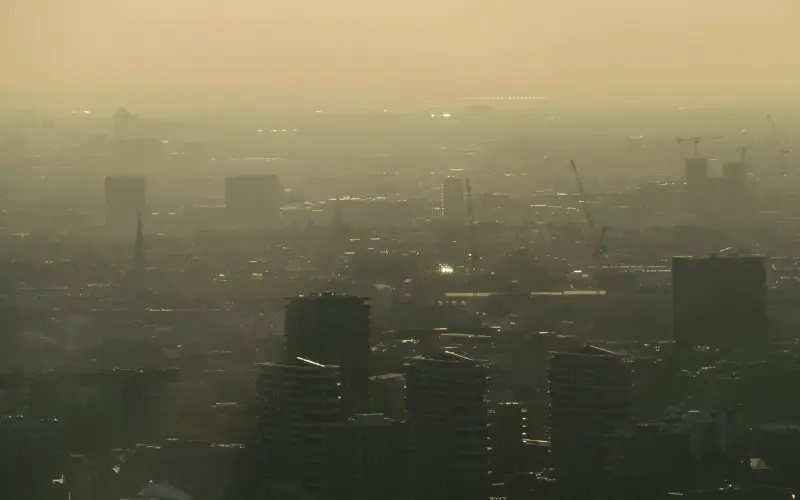
Pregnant women’s exposure to air pollution could silently increase their children’s risk of developing asthma in adulthood, even if those children never inhale polluted air themselves.
That’s the finding of a new Australian study showing that the damage done before birth may last a lifetime—and even across generations.
Scientists at the University of Technology Sydney’s School of Life Sciences discovered that air pollution during pregnancy and breastfeeding can rewire how an offspring’s lungs and immune system respond to allergens. The research was conducted on mice and revealed a strong link between maternal exposure to particulate matter and heightened asthma severity in adult offspring.
“We found that even without direct exposure, the offspring of pollution-exposed mothers showed worse airway hyperreactivity,” said Dr. Razia Zakarya, a lead researcher with the Epigenetics of Chronic Disease Group at the Woolcock Institute of Medical Research.
When compared to others from mothers not exposed to pollution, these mice had lungs that overreacted to allergens, making their asthma symptoms more intense. The team traced this to subtle but lasting changes in how genes in the lungs were activated or silenced.


Instead of being driven by genetic mutations, the changes occurred through epigenetics, specifically reduced DNA methylation—a process that usually keeps gene activity in balance. The weakened methylation, especially in genes that manage lung function and immune responses, may explain why some people struggle with asthma more than others.
“This suggests an epigenetic ‘memory effect’ of prenatal air pollution exposure that persists into adulthood,” Zakarya said. “It affects how genes involved in lung development and immune defense are regulated.”
The study raises red flags for policymakers and public health advocates. It adds weight to calls for stricter environmental regulations and urban air quality standards—not only for immediate health but also for the long-term well-being of future generations.
Experts say the findings could also guide the development of asthma therapies that target these inherited epigenetic changes.
Read more on Nigeria’s Renaissance Energy Shuts Pipeline in Rivers After Oil Spill