
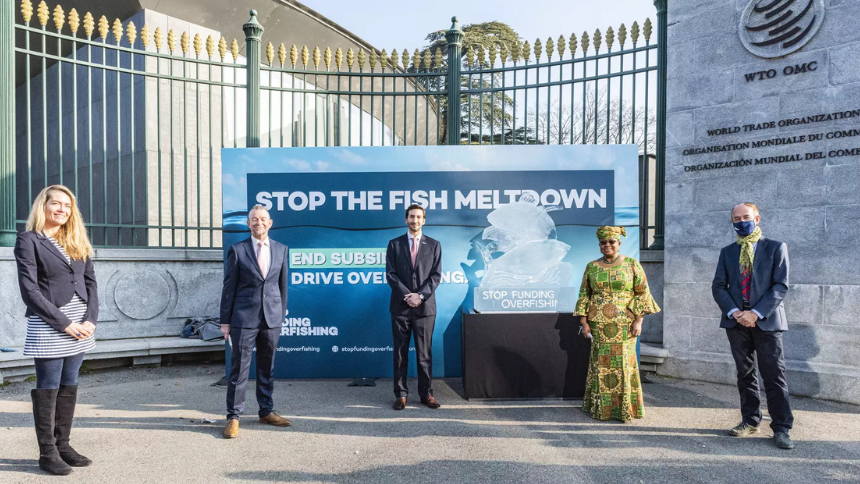
A global deal aimed at cutting billions of dollars in harmful fishing subsidies took effect on Monday, marking a rare success for the World Trade Organization (WTO) after more than 20 years of tense negotiations.
For ordinary citizens, this means that fish stocks, which have long been under threat from relentless overfishing, now have a greater chance to recover. The agreement could secure the livelihoods of millions of small-scale fishers worldwide who depend on healthy oceans for survival.
Under the deal, WTO members are now banned from granting subsidies that encourage fishing in overexploited waters or in high seas beyond national jurisdiction. The ban strikes at the heart of a $35.4 billion subsidy system, which includes fuel handouts that enable industrial fleets to chase fish across distant oceans, according to a 2019 Marine Policy study.
“This is a lifeline for oceans and coastal communities,” said Megan Jungwiwattanaporn of the Pew Charitable Trusts. “Fish stocks around the world will finally have a chance to recover, benefitting local fishers and the families that rely on them.”
The first WTO agreement to take effect since 2017, the deal overcame years of internal divisions, stalled talks, and global trade disputes. Its entry into force was triggered when Brazil, Kenya, Tonga, and Vietnam formally ratified it, pushing support past the required two-thirds of WTO members.


Director-General Ngozi Okonjo-Iweala called the deal “a turning point for trade and sustainability,” but warned the work was not over. The agreement will expire in four years unless member states conclude broader negotiations covering unresolved issues, including contentious demands from India and other developing countries for exemptions many nations view as unworkable.
Environmental groups argue the stakes could not be higher. Overfishing threatens global food security, with nearly 90% of the world’s marine stocks already fully exploited or overexploited, according to the UN Food and Agriculture Organization. Millions of jobs in coastal economies are tied to fishing, and unchecked subsidies risk collapsing ecosystems that sustain them.
“Governments have a choice: keep pouring money into destructive fishing practices or back a sustainable future,” said fisheries researcher Enrique Santos. “This deal shows it’s possible to act before it’s too late.”
Read also: Nigeria, Saint Lucia eye stronger ties despite just $22,000 in historic trade