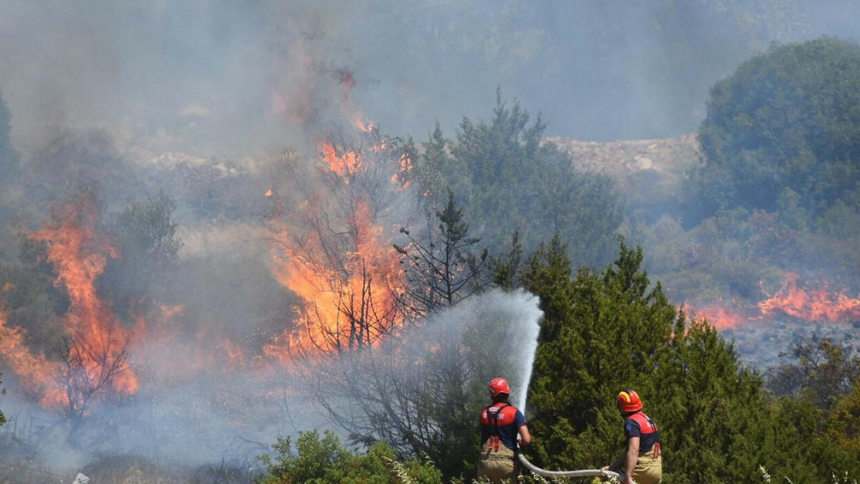
More than a week of relentless wildfires has scorched Turkey’s western Izmir province, leaving two people dead, thousands displaced, and entire forests blackened. But there’s a glimmer of hope — firefighters say six out of nine major blazes have been contained.
“With the intense efforts of our forest heroes throughout the night and aerial intervention at first light, the fire in Cesme has been brought under control,” Turkey’s Forestry Minister, Ibrahim Yumakli, posted on X (formerly Twitter) Friday morning. The remaining fires in Odemis and Buca, he said, were “close to containment.”
Yet even as helicopters and water bombers crisscross the skies, the situation remains tense. Gusty winds, low humidity, and faulty power infrastructure have worsened the spread, while investigators are now pursuing legal action against suspected human culprits.
A region on fire: Turkey’s battle against nature and negligence
Izmir Governor Suleyman Elban confirmed that nine planes, 22 helicopters, and over 1,100 vehicles have been deployed in the fight but nature isn’t cooperating. “The wind constantly changes direction,” he said, adding that this unpredictability has hampered ground efforts.
On Thursday, the fires claimed their first two victims, an 81-year-old man who was bedridden and a backhoe operator assisting with containment. These losses have intensified the urgency and scrutiny of response efforts.


Since June 26, more than 65 wildfires have ignited across the country. Interior Minister Ali Yerlikaya announced that 10 suspects have been arrested. Their alleged crimes were using welding tools, burning garden waste, or operating machinery near forests. Another 15 individuals remain under investigation.
A wider Mediterranean crisis: The cost of a heating planet
Scientists have long warned that Turkey, Greece, and other parts of the Mediterranean are becoming wildfire hotspots due to prolonged heatwaves and drier summers, both symptoms of accelerating climate change.
“These aren’t just random accidents anymore,” said Prof. Gunes Atalay, an environmental scientist at Ankara University. “They’re the consequences of a changing planet and outdated practices.”
The cost of recovery is still being calculated. Preliminary estimates suggest that over 4,000 hectares of land have been destroyed in Izmir alone.
Meanwhile, in Turkey’s southeastern Hatay province, crews are still battling a stubborn blaze. Yumakli assured that “overnight containment efforts will continue until the last spark is extinguished.”