
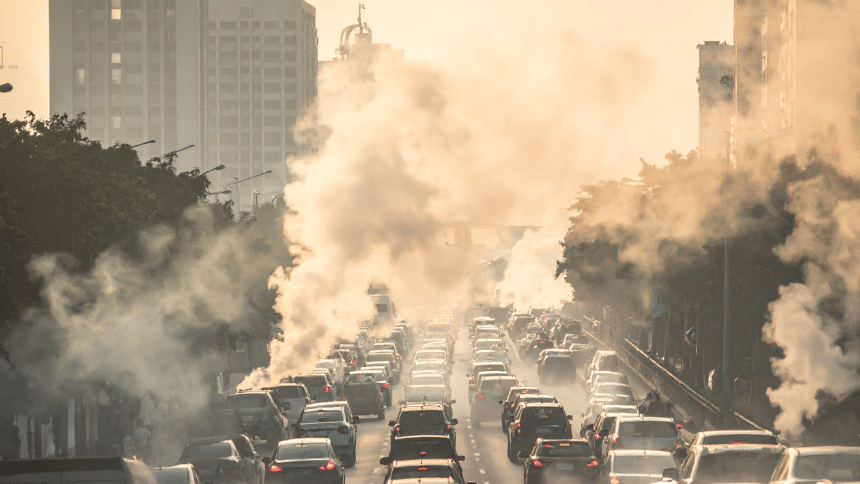
India has escalated anti-pollution measures in the capital, Delhi, after the city’s air quality worsened to the season’s most hazardous level. Authorities activated stage four, the highest level, of the Graded Response Action Plan (GRAP) for Delhi and surrounding regions on Saturday evening.
On Sunday, the Central Pollution Control Board (CPCB) reported that Delhi’s air quality index (AQI) exceeded 450 at multiple monitoring stations. This marks a rise from Saturday’s 430 reading and the highest level recorded this winter. For reference, AQI readings below 50 are considered “good,” while readings above 300 are hazardous.
Under the latest curbs, older diesel trucks are banned from entering the city. Construction activities, including public projects, have been suspended, and schools are operating on hybrid schedules. Officials have urged residents to stay indoors, particularly children, the elderly, and those with respiratory or cardiac conditions. Masks are recommended for anyone venturing outside.
Delhi, home to more than 30 million people, frequently experiences severe smog during the winter months. Cold, dense air traps emissions from vehicles, construction sites, and crop burning in neighboring states, leading to some of the highest pollution levels globally. “The combination of stagnant winds and high moisture has created conditions that prevent the dispersion of pollutants,” said a spokesperson from the Commission for Air Quality Management (CAQM). “These factors accelerate smog formation and raise health risks for residents.”
Air pollution is not just an environmental issue in India—it is a major public health concern. Prolonged exposure to high particulate matter can trigger asthma attacks, cardiovascular problems, and other respiratory illnesses. Local hospitals have reported an uptick in patients seeking treatment for breathing difficulties, eye irritation, and fatigue.


Experts warn that such pollution episodes are likely to increase unless measures are taken at multiple levels. “Crop residue burning in neighboring states is a significant contributor,” said Dr. Anjali Mehra, an air quality scientist. “Alongside vehicle emissions and construction dust, it creates a toxic mix during winter months.”
Authorities have emphasized the importance of long-term solutions, including cleaner fuel adoption, stricter industrial regulation, and regional cooperation to manage crop-burning practices. Residents are encouraged to monitor air quality apps and limit outdoor exposure during peak pollution periods.
The government’s immediate interventions, however, aim to reduce acute exposure and prevent health emergencies. With winter just beginning, experts caution that residents of Delhi and neighbouring areas must remain vigilant.
Read also: India’s diesel exports to Europe hit record highs in September