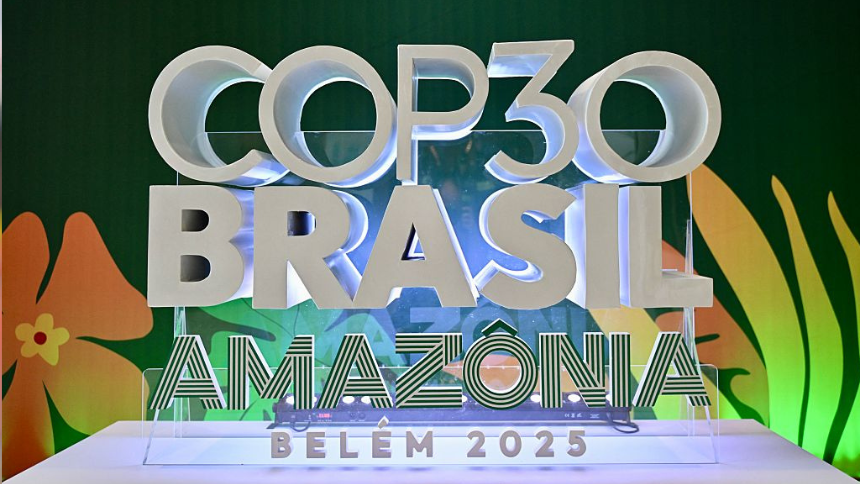
Corporate attendance at the COP30 climate summit in Brazil has dropped sharply, with major firms sending lean delegations or skipping the event entirely. Once a hallmark of corporate environmental advocacy, the summit now faces heightened political scrutiny and financial caution.
Executives cite logistical hurdles, cost pressures, and concerns about reputational risks as U.S. political shifts and anti-ESG sentiment reshape the calculus for public climate commitments. “The glossy pavilions, the huge delegations, the climate grandstanding… is just over,” said Charlie Tarr, chief executive of corporate affairs consultancy Woodrow.
The changing global context underlines the shift. Rising energy prices, post-pandemic economic tightening, and the US administration’s aggressive stance against ESG initiatives have made high-profile climate engagement riskier.
Companies including Unilever, previously prominent at COP events, have reduced both budgets and personnel, prioritising core business operations over international visibility.
Michael Hartt, of FleishmanHillard, added, “A mix of practical factors… and wider forces, including political pressure, means some companies have adjusted their presence.” Firms are increasingly weighing the perceived business benefits against public scrutiny and shareholder expectations.


COP30 continues to serve as a critical forum for international climate negotiations, despite reduced corporate glamour. Heads of state, environmental ministers, and advocacy groups remain active, while Turkey and Australia finalise a compromise for COP31 hosting.
Australian Prime Minister Anthony Albanese said the deal balances hosting responsibilities, with Turkey leading the summit and Australia presiding over government negotiations.
For companies and observers, the challenge remains how to engage in global climate leadership amid political polarization and economic pressures, with the summit’s long-term influence still under debate.
Read also: Why COP30 may begin era of implementation over negotiation