
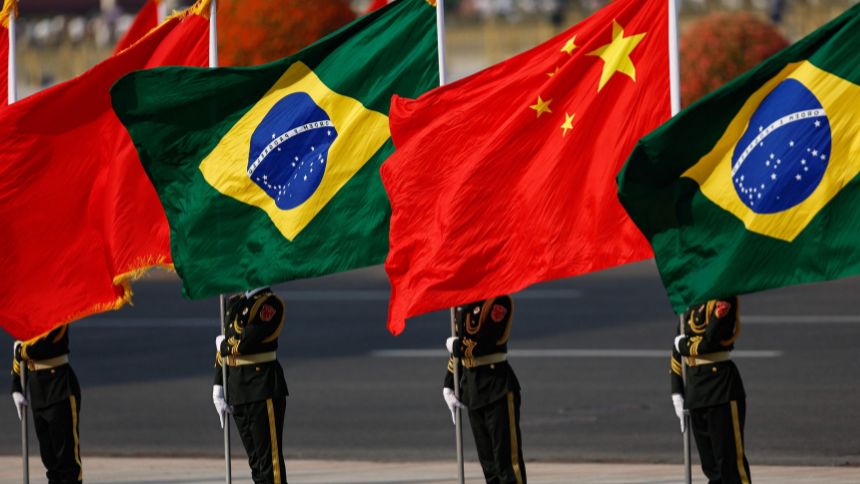
China has indicated it will invest in Brazil’s Tropical Forests Forever Facility (TFFF), a multilateral fund proposed to conserve endangered rainforests worldwide, in a significant move reshaping global climate finance.
The decision quietly communicated to Brazilian officials during a BRICS finance ministers’ meeting in Rio marks the first major contribution from a leading emerging economy. The move comes as developed nations pull back from climate pledges, frustrating poorer countries already bearing the brunt of climate change.
“Minister Lan Fo’an told Haddad that China considers the fund important and will collaborate,” a Brazilian official confirmed, requesting anonymity.
The commitment, though not yet publicly declared. signals Beijing’s readiness to co-lead climate efforts traditionally dominated by Western powers.
Conceived by Brazil in 2023, the TFFF aims to raise $125 billion in sovereign and private-sector contributions. It will function like a global endowment, paying countries annual stipends to keep their forests intact. Tropical forests, rich in carbon storage, are among the planet’s most vital climate buffers.


While exact figures from China remain undisclosed, Brazil views the engagement as a powerful prelude to November’s COP30 summit in Belem, deep in the Amazon. The fund’s framework has already drawn early support from France, the UK, Germany, Norway, Singapore, and the UAE.
According to the World Resources Institute, tropical forests can reduce global emissions by up to 7 billion metric tons annually if protected—nearly 20% of global climate mitigation needs.
In contrast, U.S. interest in TFFF collapsed after President Donald Trump withdrew from the Paris Agreement. The current administration has yet to make a renewed offer, highlighting the shifting leadership in climate diplomacy.
“Beijing’s participation shows that forest-rich developing countries can fund their own future—and the planet’s—without waiting for broken Western promises,” said Adriana Matos, a Brazilian environmental economist.
Read more on IEA sees global oil demand peaking in 2029 despite China’s 2027 slowdown