
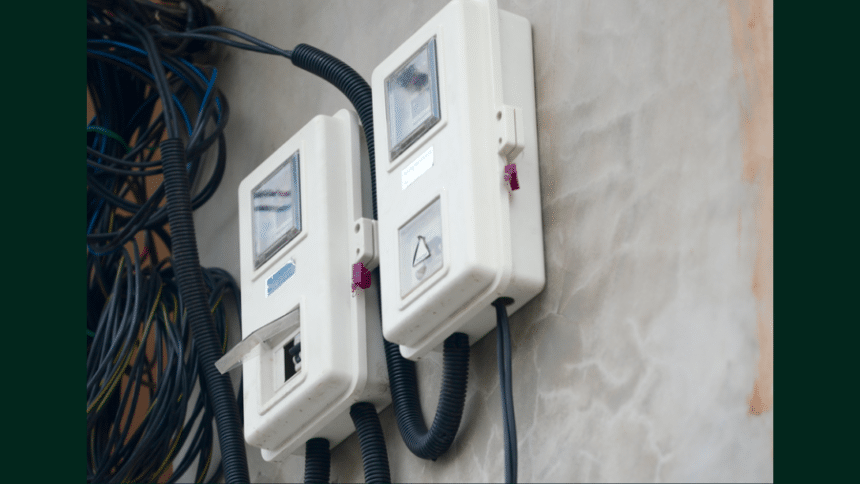
Nigeria’s national electricity metering rate has reached 56.07% as of October 2025, according to the latest Metering Factsheet released by the Nigerian Electricity Regulatory Commission (NERC). The figure reflects steady progress in addressing the country’s long-standing metering gap.
The October data shows that Nigeria now has 12.07 million active electricity customers, with 6.77 million connected to meters. This represents an increase of 106,822 newly metered customers from September, when the national rate stood at 55.37%. NERC noted that the rollout pace accelerated, with more than 25,000 additional customers metered compared to the previous month.
DisCo-by-DisCo Performance
The factsheet highlights uneven progress among the country’s 11 electricity distribution companies (DisCos). Aba Power Distribution Company made significant gains, increasing its metering rate from 69.49% in September to 78.20% in October.
Eko DisCo and Ikeja Electric continued to lead, each maintaining metering rates above 84%. Abuja and Ibadan DisCos also posted improvements, which NERC attributed to better rollout strategies and more efficient customer onboarding.
However, some utilities are still lagging. Enugu, Jos, Kaduna, Kano, and Yola have metering rates below 50%. NERC warned that these DisCos must accelerate their meter deployment if Nigeria is to close the widening gap in metered connections.


Billing and Operational Efficiency
NERC said that improved metering has boosted billing transparency and consumer trust. DisCos achieved 86% billing efficiency in September, successfully collecting N241.54 billion from energy valued at N279.45 billion.
The regulator also highlighted the frameworks driving meter deployment. Of the total meters installed, 147,823 units (65.52%) were delivered through the Meter Asset Provider (MAP) scheme, 65,315 meters via the Meter Acquisition Fund (MAF), 12,259 through Vendor Financed schemes, and 234 under the DisCo Financed approach.
“The publication of the metering factsheet ensures transparency and informs customers about progress in the electricity sector,” NERC said.
Ongoing Reforms and Challenges
Despite these gains, NERC acknowledges that nearly half of Nigeria’s electricity customers remain unmetered. As of June 2025, only 6.42 million of the 11.82 million registered customers had meters.
NERC’s continued oversight emphasizes the need for sustained investment and effective meter rollout strategies. The regulator said the ongoing reforms and investment in customer management by DisCos aim to enhance billing accuracy, reduce revenue losses, and strengthen consumer trust.
Electricity consumers have had mixed reactions to recent NERC initiatives, including new meter pricing guidelines. While some welcome improved billing transparency, others argue that costs remain prohibitive, highlighting a delicate balance between service delivery and affordability.
Analysts say that achieving universal metering remains critical for Nigeria’s electricity sector growth. A fully metered system could improve revenue collection, support investments in the grid, and foster trust between consumers and DisCos.
As the country approaches the end of 2025, the metering figures suggest that Nigeria is making steady progress, but accelerated action is essential to bridge the gap for millions of unmetered households and businesses.
Read also: Power sector reforms draw over $2bn in fresh investments – Adelabu