



…Plans 60,000 barrels a day by 2026
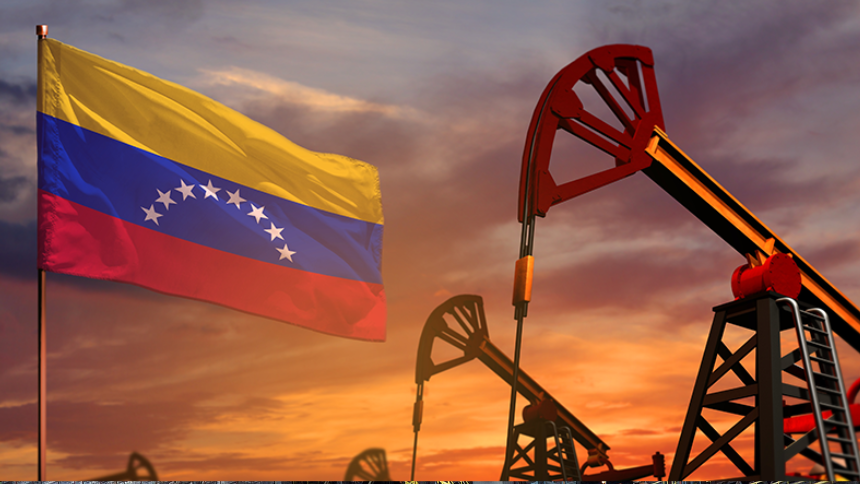
China Concord Resources Corp (CCRC), a private firm, has committed $1 billion to develop two oilfields in Venezuela. By the end of 2026, it aims to produce 60,000 barrels per day (bpd), according to a company executive who spoke to Reuters.
The firm is already producing 12,000 bpd from the Lago Cinco and Lagunillas Lago fields. Under a 20-year production-sharing contract with Venezuela’s government, CCRC plans to reopen abandoned wells and drill new ones. Light crude will be delivered to state-owned oil company PDVSA, while heavier crude will be shipped directly to China.
Private Chinese players are rare in Venezuela. In the past, only state-owned Chinese energy giants operated there. But the collapse of Venezuela’s oil sector, combined with years of U.S. sanctions, has created openings for smaller and more agile companies.
“Because of the U.S. sanctions on Venezuela’s oil sector, no big-name companies would dare operate there, handing opportunities to small companies like Concord,” the executive said.
Chinese state-owned firms largely stopped buying Venezuelan crude after Washington imposed sanctions in 2019 during Donald Trump’s first term. But independent Chinese refiners have continued to import Venezuelan oil, often at discounted prices.


Analysts say this makes Venezuela’s crude especially attractive. “Smaller companies are taking risks that larger firms avoid,” said one energy expert in Caracas. “The reward is cheap oil and a foothold in the world’s largest reserves.”
The U.S. remains cautious. American oil giant Chevron is the only global supermajor currently working in Venezuela after receiving a special license earlier this year. The Trump administration renewed its exemption on the condition that no profits flow to President Nicolás Maduro’s government.
Just last week, Chevron sent its first two Venezuelan crude cargoes to the United States since the license was restored. Tankers Mediterranean Voyager and Canopus Voyager left Venezuelan waters carrying Hamaca and Boscan heavy crude, bound for the U.S. West Coast and Port Arthur, Texas.
For Venezuela, foreign investment is a lifeline. The country still holds the world’s largest proven oil reserves, yet its industry has collapsed from neglect, corruption, and sanctions. Daily oil output has fallen from more than 3 million barrels in the 1990s to around 850,000 bpd today, according to OPEC figures.
If CCRC’s project succeeds, it would represent one of the largest private foreign commitments to Venezuela’s oil sector in years. It could also signal China’s growing influence in Latin America’s most fragile oil market.
For ordinary Venezuelans, the hope is that more oil revenue might help ease a crisis that has driven millions to flee the country. But critics warn that fresh deals may only prolong Maduro’s hold on power while ordinary people see little benefit.
Read also: China tops U.S. as largest buyer of Canadian oil via Trans Mountain Pipeline

![Cenovus to Buy MEG Canada's Oil Sands [Discovery Alert]](https://theenergytime.com/wp-content/uploads/2025/08/Cenovus-to-Buy-MEG-Canadas-Oil-Sands-Discovery-Alert--150x150.png)