Millions of Africans remain without access to electricity despite recent growth in clean energy, highlighting the urgent need for faster, inclusive power expansion.
According to a report by Ember Energy, in 2024, electricity demand across the continent rose by 3.7%, nearly matching the global rate of 4.0%, after a decade of sluggish growth. But access remains uneven. Sub-Saharan Africa is home to the vast majority of the world’s population without electricity. Even where power is available, supply is often unreliable, and per capita use lags far behind global norms.
Only 25% of the continent’s electricity came from clean sources last year, compared to the global average of 41%. Fossil fuels still dominate, accounting for 75% of electricity generation, with gas alone producing 43%. Gas-fired power has surged 52% in the last ten years, especially in North Africa.
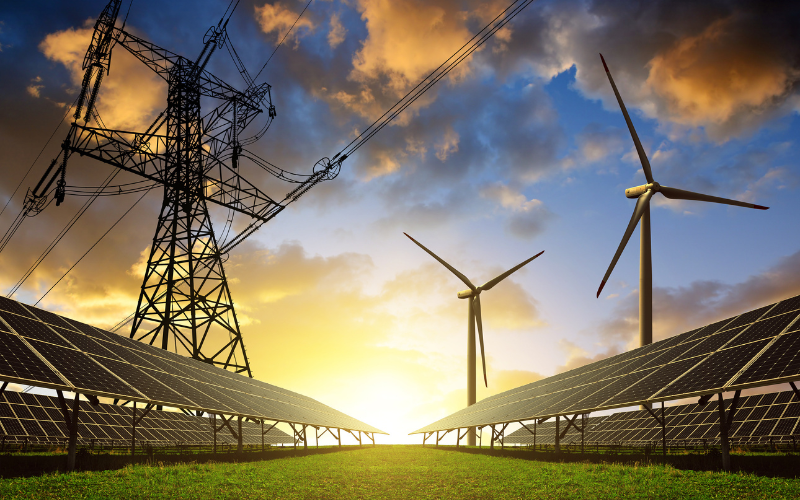
“Gas may be abundant, but it’s also expensive and economically burdensome,” said a regional energy analyst. “It’s time to leverage Africa’s rich solar and wind potential.”
Despite being the sunniest continent, the continent produced just 4% of global solar power in 2024. Solar and wind combined made up only 7% of the continent’s electricity generation, reflecting significant underinvestment in renewables.


Coal’s footprint has remained static over the past two decades, with South Africa alone accounting for 84% of the continent’s coal power. However, new coal projects are scarce, and several African nations have shelved expansion plans.
Experts warn that the continent must urgently scale up renewable generation to align with global climate goals and meet Sustainable Development Goal 7, universal electricity access by 2030. South Africa needs to transition rapidly from coal, while North African countries must reduce dependence on gas. Elsewhere, the challenge is building access from the ground up.
Kenya offers a blueprint: since 2018, the country has met all new electricity demand growth using wind, solar, and geothermal energy without relying on fossil fuels.
To replicate that success, experts advocate for a mix of national grids, decentralised mini-grids, and standalone renewables. Speed is critical, they say, to avoid costly fossil fuel lock-in.
Read more on IFC, Canada Invests $5m to Power 115,000 Nigerians With Solar Mini-Grids