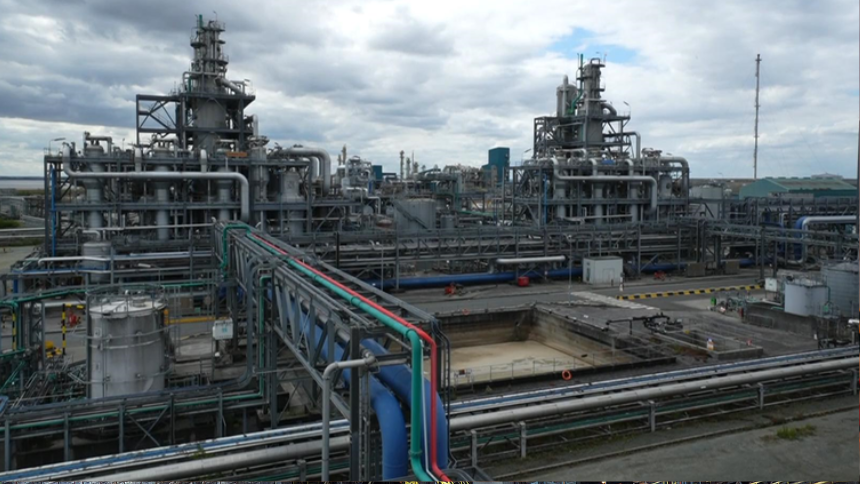
UK’s biggest bioethanol plant, Vivergo Fuels, will close after the government refused emergency funding, in a move that workers say could devastate local jobs and weaken the nation’s clean fuel ambitions.
The firm, owned by Associated British Foods (ABF), confirmed on Friday it will shut its Hull site, ending months of tense talks with the business department. The plant, which employs 160 staff and supports thousands more through its supply chain, has been struggling since the UK scrapped a 19% tariff on American bioethanol imports in June.
“This decision throws away billions in potential growth for the Humber and a sovereign capability in clean fuels,” a Vivergo spokesperson said. “Jobs in clean energy will now move overseas, principally to the U.S., but also to countries with more stable rules.”
Trade deal fallout
The tariff cut was part of a broader UK-U.S. trade pact signed by Prime Minister Keir Starmer and Business Secretary Jonathan Reynolds. In exchange for easing restrictions on U.S. bioethanol and beef, Washington lifted duties on British car, steel and aluminium exports imposed under former President Donald Trump.
For Vivergo, which turns wheat into bioethanol and animal feed, the new trade terms meant competing with U.S. producers who benefit from economies of scale and lower costs. The company said it could no longer operate under such conditions without government support.


ABF Sugar, the bioethanol arm of ABF, warned in June that the deal made Vivergo “unsustainable.” The firm entered emergency talks, arguing that with modest policy changes the site could return to profit within two years.
Government response
The Department for Business rejected those pleas. “We have worked closely with companies since June to understand their financial challenges,” a government spokesperson said. “But direct funding would not solve the long-term issues this industry faces and would not deliver value for taxpayers.”
Officials also pointed to an independent review showing that Vivergo had not been profitable since 2011, even before the trade deal was signed.
Still, the closure is expected to cause significant disruption. Vivergo warned it will hit thousands of farmers who supply wheat and rely on its by-products as cattle feed. The decision also raises doubts about the UK’s ability to meet green fuel targets, as bioethanol is blended into petrol to cut carbon emissions.
Local impact
Workers in Hull say they feel abandoned. “We’ve been fighting for months to keep this plant alive,” one employee told Reuters outside the site. “It feels like London has sacrificed us for a deal that benefits other sectors.”
Union officials echoed those concerns, calling for a new strategy to protect clean energy jobs. “This closure is a hammer blow for Yorkshire and the Humber, just when we should be investing in green industry,” said one representative.
Some of the 160 staff are expected to be redeployed within ABF, but others face redundancy. The wider supply chain, including farmers, hauliers and port workers, will also feel the effects.
A wider warning
Industry experts say the shutdown underscores the risks of policy shifts in trade and energy. “The government has made a choice that favours short-term trade benefits over long-term energy security,” said one analyst. “Britain may now fall behind in clean fuel production while the U.S. pulls ahead.”
Read also: Japan’s Refineries Struggle with US Crude Demands from Trump