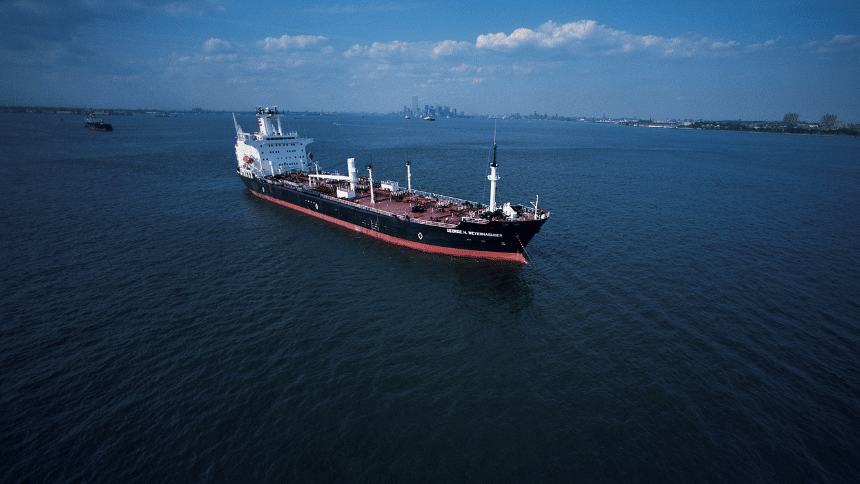
The US has seized the Venezuelan oil tanker Skipper, carrying 1.8 million barrels of heavy crude, just as a court-issued warrant was about to expire. This is the first seizure of Venezuelan oil under sanctions enforced since 2019, highlighting Washington’s intensified efforts to limit Maduro’s oil revenue and pressure Iran.
The move comes amid rising geopolitical tensions in the Southern Caribbean, where U.S. authorities are actively tracking and intercepting sanctioned shipments.
Here’s what you need to know.
1. Timing cas critical
The seizure came just as the warrant signed by U.S. Magistrate Judge Zia Faruqui on November 26, 2025, was set to expire. Authorities acted before December 10, the final day allowed under the court order.
2. The tanker’s cargo
The Skipper had loaded about 1.8 million barrels of Venezuela’s Merey heavy crude from the port of Jose between December 4 and 5. The oil is part of Venezuelan shipments under U.S. sanctions since 2019.
3. Sanctions enforcement
FBI Director Kash Patel emphasized that the seizure was aimed at imposing costs on the Venezuelan and Iranian governments. The vessel reportedly transported sanctioned oil from both nations.


4. Satellite and tracking evidence
The tanker was tracked using satellite imagery and Automatic Identification System (AIS) data. British maritime risk group Vanguard and commodity analysts at Kpler confirmed the tanker’s location and cargo. Visual cues on the deck and bridge matched U.S. Attorney General footage.
5. Broader U.S. Actions in the Region
Sources indicate the U.S. is preparing to intercept additional Venezuelan oil shipments. This follows previous strikes on suspected drug vessels in the region, which have been criticized by lawmakers and legal experts.
6. Potential Impact on Venezuela’s Oil Industry
Escalating tensions could tighten Venezuela’s oil supply in the short term. Experts suggest that lifting sanctions and improving operations could allow Venezuela to restore output from roughly 900,000 barrels per day (bpd) to 2 million bpd within two years. Long-term investments of up to $20 billion could further boost production by 500,000 bpd.
7. Geopolitical Stakes
A U.S.-friendly regime in Venezuela could reshape global oil flows and OPEC dynamics. Analysts say it would strengthen Washington’s ties with Saudi Arabia and the UAE and provide renewed access to heavy crude for U.S. refineries, potentially influencing gasoline prices domestically.
“Our assumption is that operational improvements and modest investment could quickly boost production without large capital expenditure,” said Adrian Lara, principal analyst for Latin America upstream at Wood Mackenzie.
The seizure underscores the geopolitical and economic stakes at play in Venezuela’s oil sector. Whether this move will lead to regime change or further sanctions remains uncertain, but U.S. actions are sending a clear signal of intent in the Southern Caribbean.
Read also: Ex-pornhub owner eyes Lukoil assets after U.S. opens door to bids