
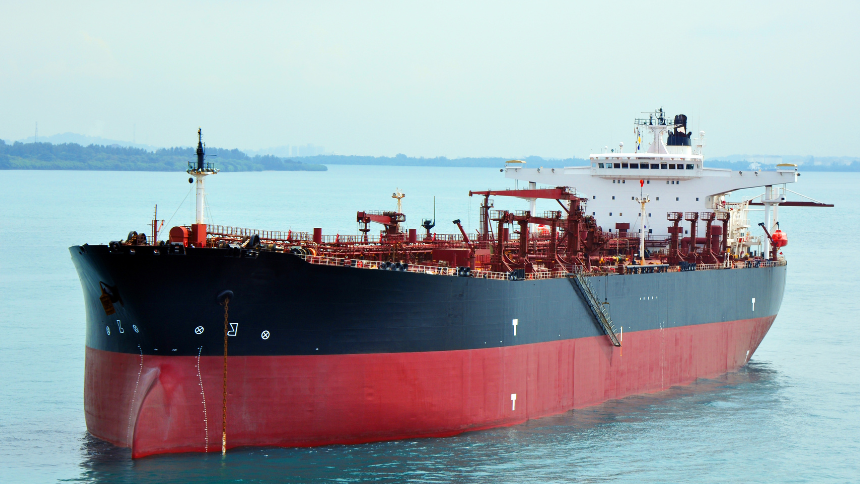
Three massive oil tankers have changed course from a Chinese port after new U.S. sanctions shook global oil routes. The tankers were bound for Rizhao, a key hub in China’s Shandong province, before Washington blacklisted the port for handling Iranian oil.
Shipping data shows two of the tankers are now heading to Ningbo Zhoushan, while a third is rerouting to Tianjin. Together, they are carrying millions of barrels of crude from Brazil, West Africa, and the UAE.
“The Treasury Department is cutting off Iran’s energy cash flow by dismantling key export routes,” said U.S. Treasury Secretary Scott Bessent. The sanctions, announced last week, targeted more than 100 individuals, tankers, and companies tied to Iran’s oil trade.
The move hits close to home for China’s energy industry. State-run Sinopec owns half of the Rizhao Shihua Crude Oil Terminal, which handles nearly 20% of its imported crude. For many independent refiners in Shandong—China’s heartland of oil processing, the sanctions could tighten supply and raise costs.
Still, China’s oil imports rose 3.9% in September to 11.5 million barrels per day. But the growth hides a 4.5% month-on-month drop. Analysts say the impact of the U.S. sanctions may be limited in the short term. “Chinese refiners have options,” said Lin Xiaoyu, an oil analyst in Beijing. “They can redirect shipments or use smaller vessels to deliver crude elsewhere.”


The U.S. action adds new tension to already fragile trade ties between Washington and Beijing. It also raises questions about how global oil flows could shift if China continues to buy sanctioned Iranian crude despite growing scrutiny.
For now, the diversions mark a new chapter in the tug-of-war between sanctions enforcement and China’s hunger for oil.
Read also: Here’s why U.S. soybean exports to China collapsed, farmers hardest hit