Electricity demand in the Middle East and North Africa (MENA) is expected to increase by 50% by 2035, according to the International Energy Agency (IEA), which warned that rising temperatures, urban growth, and expanding industries will strain already fragile grids.
Power use in the region has already tripled since 2000, making MENA one of the fastest-growing electricity markets in the world. Much of the surge has been driven by air conditioning, which accounts for nearly half of peak demand.
“Electricity demand is surging across the Middle East and North Africa,” said IEA chief Fatih Birol. “The region has already seen the third largest growth globally since 2000, after China and India.”
The report forecasts a major shift in the region’s energy mix. Oil, which today generates one-fifth of MENA’s electricity, will shrink to just 5% by 2035.
Natural gas is expected to supply half of all power, while renewables and nuclear energy expand rapidly.


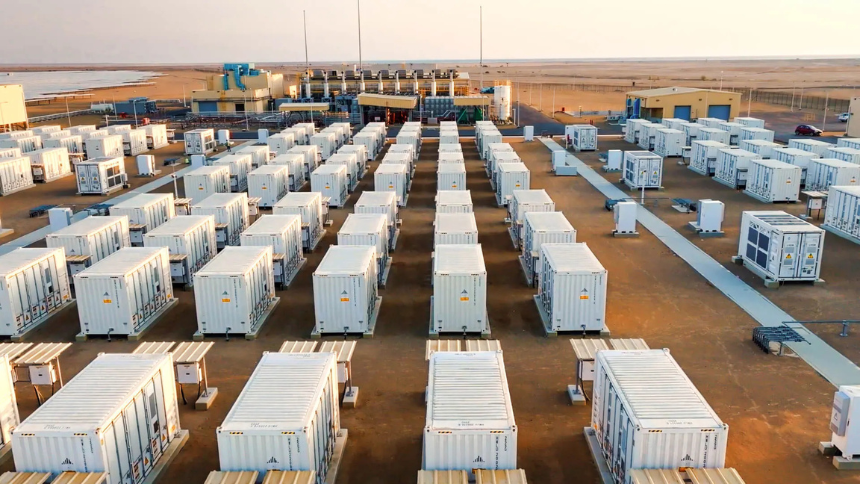
Solar capacity is projected to grow tenfold to 200 gigawatts by 2035, lifting renewables’ share of power generation to 25% from 6% today.
Gulf energy giants are racing to capture opportunities in liquefied natural gas (LNG). Saudi Aramco, ADNOC and QatarEnergy are investing billions to nearly double capacity within a decade.
“LNG seems to be still the best bet across all different hydrocarbon commodities,” said Ogan Kose, managing director at consultancy Accenture.
But while rich Gulf states invest in cleaner energy and LNG, conflict-hit nations remain trapped in darkness. Iraq’s unreliable grid cost its economy nearly $100 billion between 2014 and 2020, according to IEA estimates.
Lebanon, Syria and Yemen continue to face daily blackouts, with many citizens relying on private diesel generators. In Yemen, the UAE-funded Aden Solar Power Plant, launched in July, now supplies up to 170,000 homes, offering a glimpse of how renewables could ease decades of shortages.
“Both promise and pressure will shape the future of power in the region,” Birol said. “MENA has the resources to meet demand, but success will depend on stability, investment, and fair access.”
Read also: Trump’s clean energy cuts slash $18.6bn in projects, report reveals