Nigeria’s $20 billion Dangote Refinery has exported its first cargo of petrol to the United States, marking a historic moment for Africa’s largest oil producer and a significant shift in global energy trade flows.
The shipment of around 320,000 barrels, carried aboard the Gemini Pearl, was sold by Vitol after being purchased from Mocoh Oil, Dangote’s export partner. The cargo was discharged at Sunoco’s Linden terminal in New Jersey, according to shipping data and sources familiar with the transaction.
For consumers, the milestone shows Nigeria can now supply petrol that meets some of the strictest standards in the world. For Africa’s richest man, Aliko Dangote, it signals his $20 billion refinery can compete on the global stage after years of delays and scepticism.
“This delivery shows our refinery is meeting the highest international benchmarks,” Dangote told reporters in a video statement. “We don’t want to be a monopoly. We want more players in this industry.”
A test Nigeria has passed
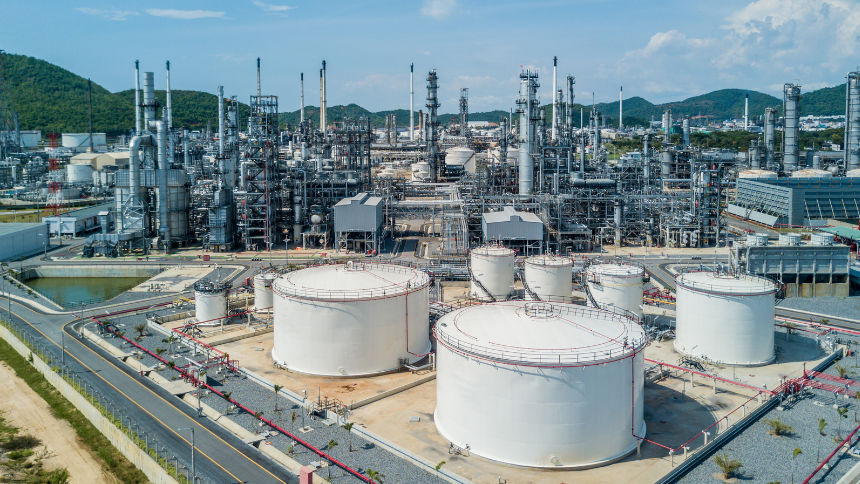
The 650,000-barrel-per-day refinery, the world’s largest single-train plant, was built to end Nigeria’s decades-long dependence on fuel imports. Since starting production in 2024, it has already reduced reliance on costly imports while exporting surplus petrol to Europe. The U.S. shipment, however, is a stronger validation.


Vitol and Sunoco taking Nigerian gasoline is a sign that the fuel meets U.S. motor standards, and not many new refineries achieve this level of quality so quickly.”
Two more U.S.-bound shipments are already scheduled; one by Glencore for Shell around September 19, and another by Vitol on the Seaexplorer expected September 22. Market conditions may redirect them, but the refinery’s reach is widening.
Dangote pushes back at critics
Critics, including the Depot and Petroleum Products Marketers Association of Nigeria (DAPPMAN), argue Dangote’s plant is squeezing smaller players. But Dangote insists Nigeria needs more large-scale investors.
“If we don’t make money, nobody will invest,” he said. “We don’t want to end up with one supplier. But competitors cannot play cricket on a soccer field; you’ll hurt someone.”
Dangote also accused Nigeria’s previous import system of being riddled with corruption. “Ships came with fuel and discharged less than declared. Regulators paid N100,000 a month could be bribed with $10,000,” he alleged.
Bigger impact at home
With production yielding 54% gasoline from crude, compared with just 18% at state-run refineries, the plant could save Nigeria up to $25 billion annually in foreign exchange while creating thousands of jobs across trucking, distribution, and logistics.
Dangote’s refinery has also acquired 10,000 trucks, including 4,000 CNG tankers and 6,000 dry cargo vehicles, to distribute fuel nationwide. Each tanker requires six workers, creating an estimated 24,000 jobs.
Despite tensions with the petroleum workers’ union, NUPENG, over job security, Dangote insists that drivers are well paid and eligible for housing loans if they remain accident-free for five years.
“This refinery is not just about exports,” Dangote said. “It’s about energy security for Nigeria, jobs for our people, and proof that Africa can compete globally.”
Read more on Dangote Refinery to begin direct petrol supply Sept. 15 at N820 per litre