
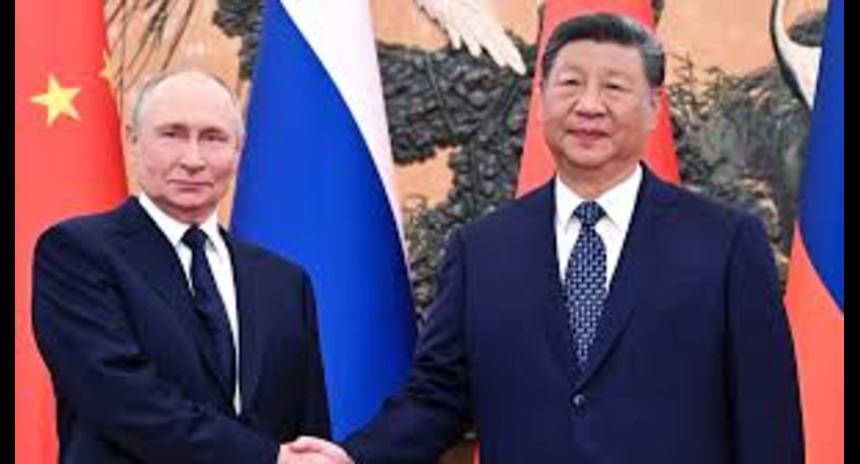
Russia and China have sealed a pipeline deal that could reshape the global gas trade for decades. The agreement, announced earlier this month, will see Moscow send over 100 billion cubic meters (bcm) of natural gas every year to Beijing through the new Power of Siberia 2 pipeline.
For China, the deal secures cheaper, long-term supplies and shields its industries from volatile global prices. For Russia, it replaces the once-lucrative European market now closing its doors to Moscow’s energy exports. But for Europe, the consequences are harsher: higher energy costs, weakened competitiveness, and deeper reliance on costly liquefied natural gas (LNG).
A new gas order
The Power of Siberia 2 pipeline has been in planning for years. China hesitated, weighing political risks and market needs. But its leaders have now made the call. Once completed, Russia will send more than 100 bcm annually—about the same volume it once planned to export to Europe through Nord Stream 2.
European leaders, meanwhile, have vowed to cut all Russian energy imports within two years. Yet the region still buys gas from Russia via TurkStream and LNG from sanctioned states, highlighting the painful gap between political promises and market realities.
Europe’s cost burden
Europe already buys more U.S. LNG than any other region, securing supplies but at a steep price. LNG is costlier than Russian or Norwegian pipeline gas due to liquefaction and shipping. This structural disadvantage means factories in Germany or France face far higher energy costs than competitors in China.


The imbalance could trigger job losses and force governments to spend billions more in subsidies to keep plants running and homes heated.
US caught in the middle
The deal is also a setback for Washington’s “energy dominance” agenda. U.S. LNG producers, who once hoped China would be a key customer, may now face weaker demand from Asia’s biggest market.
China has already halted U.S. LNG imports since spring amid a trade spat with Washington. While U.S. exports hit record highs last month, the loss of long-term Chinese demand could limit growth. Rising domestic gas use—driven by the boom in U.S. data centers—could also squeeze supplies, pushing LNG prices higher for Europe.
“The U.S. can sell more LNG to Europe, but at some point, prices will climb too high,” warned Ron Bousso, a Reuters columnist. “Europe’s options are narrowing.”
What comes next
The Power of Siberia 2 deal cements a new eastward shift in the global gas order. China secures steady, cheaper supplies. Russia gains a stable market despite Western sanctions. The U.S. keeps selling LNG to Europe, but Europe faces chronic cost disadvantages.
For European factories, the shift could be existential. For households, it could mean higher bills. For governments, it means balancing climate promises with energy security realities.
“This is the new energy world order,” said Kovacs. “And Europe is on the losing side.”
Read also: Canada’s Oil Sands: Five things you need to know about world’s fourth-largest oil reserve