
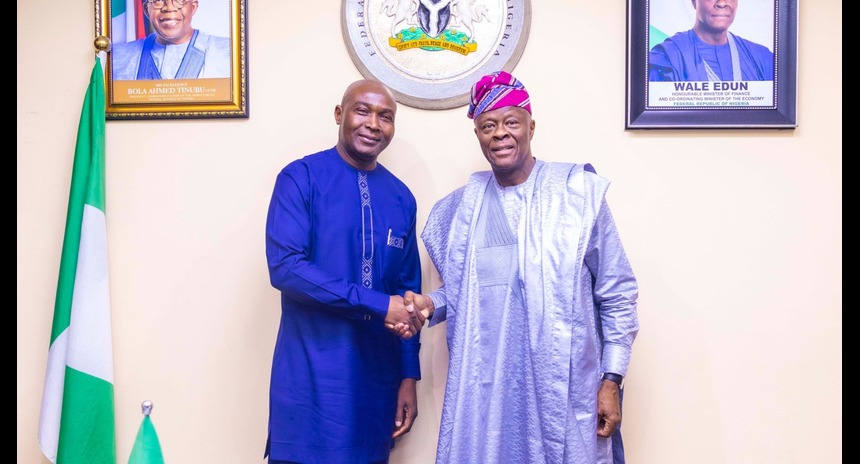
In a decisive step for Nigeria’s energy sector, the Minister of Finance and Coordinating Minister of the Economy, Mr Wale Edun, held strategic talks on Thursday with the management of Nigeria LNG Limited (NLNG) in Abuja.
The high-level meeting focused on production targets, investment opportunities and ongoing reforms designed to reposition Nigeria’s gas industry for growth.
Mr Edun reaffirmed Nigeria’s target of producing 10 billion standard cubic feet (scf) of gas per day by 2030, stressing that recent deals, including the Deepwater agreement with TotalEnergies, demonstrate the government’s commitment to building a competitive, investor-friendly environment.
“The President has stabilised the economy and created new opportunities in both manufacturing and energy. As we implement comprehensive tax reforms, your input will be vital in shaping a more attractive business landscape,” Edun said.
The Minister assured stakeholders that reforms such as the rollout of digital trade systems would streamline oversight, eliminate inefficiencies, and create a transparent, technology-driven environment where investors can operate with confidence.


NLNG Updates Operations
Responding, NLNG Managing Director and CEO, Dr Philip Mshelbila, briefed the Minister on operational improvements. He reported stronger gas supply, enhanced security on the Trans-Niger Pipeline, and a rise in plant capacity utilisation to over 70%.
On infrastructure, Dr Mshelbila highlighted progress on the Bodo-Bonny Road project, while appealing for an extension of the East-West Highway under the tax credit scheme to ease logistics and enhance energy transportation.
Driving Growth Through Gas
The meeting underscored Nigeria’s renewed determination to fully harness its vast gas reserves to fuel industrialisation and economic growth under the Renewed Hope Agenda of President Bola Ahmed Tinubu’s administration.
Observers note that, with improved security, policy stability, and infrastructure investments, Nigeria is well-positioned to meet its 2030 gas targets while boosting revenues and creating jobs.