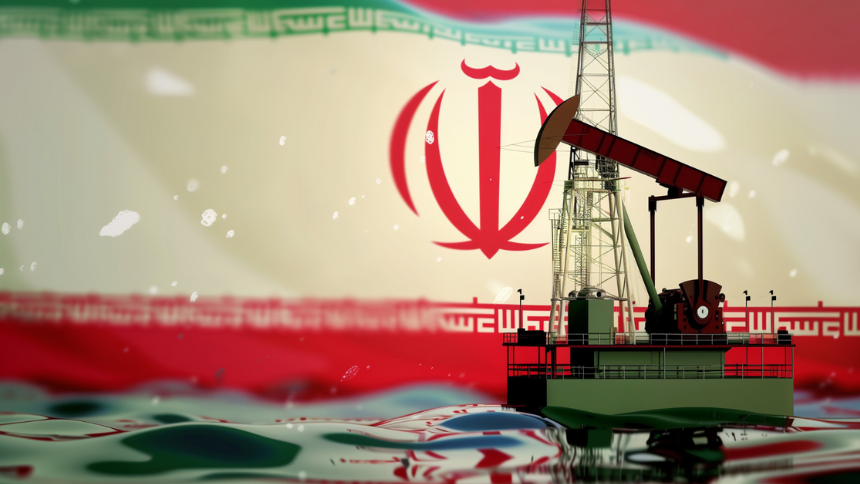
The US has tightened sanctions on Iran’s oil trade, aiming to choke off billions of dollars that Washington says fuel Tehran’s weapons programs. For ordinary readers, the move signals a sharper crackdown on the secret networks that keep Iran’s oil flowing despite international pressure.
On Thursday, the US Treasury announced fresh sanctions on Antonios Margaritis, a Greek shipping entrepreneur, along with his companies and nearly a dozen oil tankers. Officials accused Margaritis of using decades of shipping experience to move Iranian oil across global waters through a so-called “shadow fleet.”
“His network has worked in the shadows to help Iran sell oil illegally,” the Treasury said in a statement. “These sales generate the revenue that Tehran uses to advance its weapons programs.”
The new sanctions go beyond individuals as the U.S. State Department added two major crude oil terminals and storage operators in China to its blacklist. One is based in the Dongjiakou Port Area of Shandong Province, China’s largest entry point for Iranian oil. The other, Yangshan Shengang International Petroleum Storage and Transportation Co., is located in Zhejiang Province’s Yangshan Port.
Both companies have helped import millions of barrels of Iranian oil, often through U.S.-designated tankers, the department said. This marks Washington’s fourth round of sanctions against Chinese oil terminals in less than a year.


Earlier in 2025, U.S. officials also began targeting China’s smaller independent refiners—known as “teapots”—which are among the biggest buyers of cheap Iranian crude. Despite these measures, China remains Tehran’s lifeline. Analysts estimate that Beijing now purchases around 90% of Iran’s oil exports.
For Washington, the sanctions are part of a “maximum pressure” campaign designed to weaken Iran’s economy and cut its funding for weapons. But experts warn that Iran’s oil continues to flow through a complex web of shippers, middlemen, and overseas buyers willing to take the risk.
“These sanctions show determination, but history proves Iran can find new routes and partners,” said one Washington-based analyst. “As long as China buys, Tehran has room to breathe.”
For many in the shipping industry, the latest moves also send a message: anyone caught moving Iranian oil could face global isolation, frozen assets, and broken business ties.
The question remains whether these sanctions will slow Tehran’s trade, or whether Iran’s shadow fleet will adapt yet again. For now, Washington is betting that closing ports, punishing operators, and naming names will make Iran’s oil harder to sell and far less profitable.
Read also How 90% of Iran’s crude ends up in Chinese refineries