
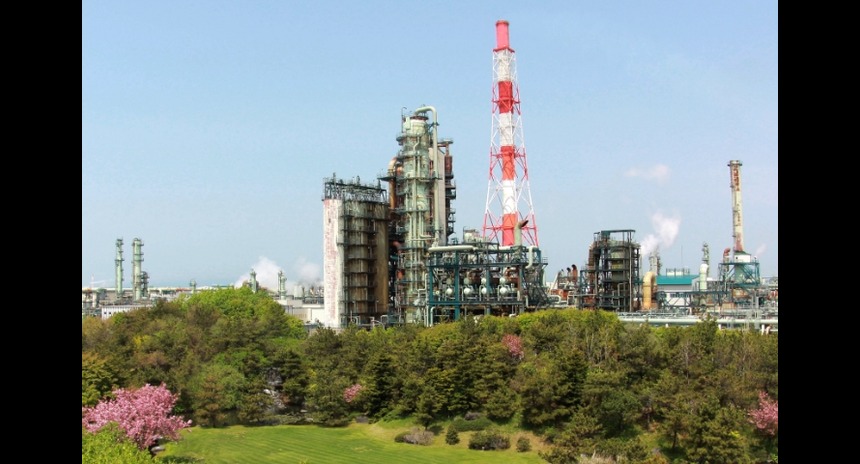
Japan has pledged to increase its purchases of American energy products under the July trade deal with the US, but the country’s refining industry says its plants are not designed to process crude sourced entirely from the US.
In July, Washington finalised what former President Donald Trump described on Truth Social as “a massive deal with Japan, perhaps the largest ever made.”
The agreement set import tariffs on Japanese goods entering the United States at 15%—a reduction from the 24% proposed in April and lower than the 25% tariff Trump had threatened to impose from 1 August.
According to the White House, the pact includes a “major expansion of U.S. energy exports to Japan.”
Yet analysts say Japan will struggle to significantly boost crude oil imports from the US due to high shipping costs and refinery configurations that are primarily tailored to Middle Eastern grades.


“Frankly, we have no major alternative to Middle Eastern crude,” said Shunichi Kito, president of the Petroleum Association of Japan, as quoted by Argus. He added that “probably no units can process 100% pure U.S. crude in Japan.” Kito also serves as representative director and chair of Japanese refiner Idemitsu.
Japanese refiners have, however, stepped up purchases in the short term. Official data show crude imports from the U.S. surged to around 190,000 barrels per day (bpd) in May—a 180% increase compared with the same month in 2024. This was the highest monthly intake of American crude since December 2018, according to Argus estimates based on industry ministry data.
Despite this spike, imports eased in June, while the Middle East continues to dominate Japan’s oil supply, accounting for roughly 95% of its total crude intake.