
A drop in global oil prices is sending shockwaves through oil-dependent economies, such as Nigeria, following Iran’s unexpected decision not to block the Strait of Hormuz amid heightened military tensions.
Brent crude futures plummeted to $66.17 per barrel on June 24, a sharp decline from the monthly high of $77.08 recorded just five days earlier. The price crash came after Iran responded to U.S. military strikes with a limited retaliatory attack on an American base in Qatar, rather than obstructing the vital oil route.
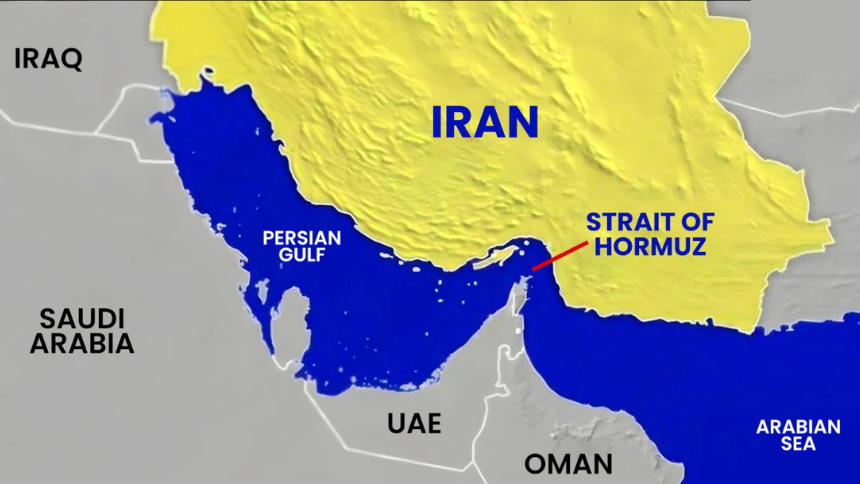
Over 20% of the world’s oil flows through the Strait of Hormuz annually, making it a geopolitical chokepoint. Iran, which borders the northern edge of the strait, had been widely expected to close the route after U.S. strikes targeted three of its military facilities on June 22 to stifle its nuclear ambitions.
Instead, Iran opted for a restrained military response, avoiding a global oil disruption and calming nervous markets. As a result, Brent crude prices, which had spiked due to rising tensions between Israel and Iran on June 13, began to tumble rapidly after June 19.
For Nigeria, where oil exports account for over 80% of government revenue, the price slump could pose significant challenges. Analysts at Goldman Sachs had earlier warned of further depreciation of the naira if crude prices fell below $70. That scenario is now playing out.


The oil market had already experienced turbulence earlier in 2025. Crude began the year at $74.93 per barrel, climbed to $82.03 in January, then slipped below $71 by early March due to rising tariff fears. A brief rally in April was wiped out by mid-month, with prices falling more than 15%.
Even though Saudi Arabia’s Petroline pipeline provides an alternative export route via the Red Sea, the Strait of Hormuz remains a lifeline for oil-producing Gulf countries. Over 90% of regional oil exports still flow through the narrow channel.
Read more on Global tensions, local pain: Nigerian fuel prices hit ₦955 per/litre, may keep rising