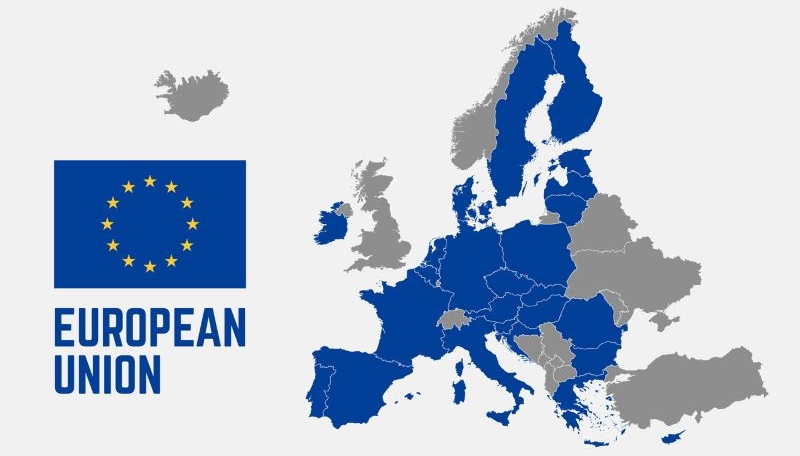
The EU is reportedly reviewing the €7 fee for its upcoming European Travel Information and Authorisation System (ETIAS), with a potential increase under discussion before the system becomes operational at the end of 2026.
According to TravelBiz, the move is part of efforts to manage the Union’s post-pandemic financial recovery. ETIAS, a digital travel authorisation for non-EU travellers from visa-exempt countries, is still on track to launch. Still, internal discussions in Brussels suggest the price could rise to help offset COVID-19-related debt.
Economic Pressures Driving Fee Review
The Union manages a €350 billion debt accumulated during its COVID-19 recovery programs. To address this, policymakers are exploring new revenue sources less likely to trigger public resistance. One proposal that is gaining attention involves adjusting the ETIAS fee to reflect inflation and increased administrative costs.
While no formal proposal has been submitted, several EU diplomats have acknowledged that a price adjustment is under informal discussion, POLITICO reported.


The issue could become public during the July 16th, 2025, EU budget presentation. A confidential memo from Poland’s EU Council presidency also suggests that a “gradual increase” in ETIAS fees would balance affordability and revenue generation.
ETIAS in Comparison to Other Entry Systems
ETIAS is expected to function similarly to the U.S. Electronic System for Travel Authorisation (ESTA) and the U.K.’s Electronic Travel Authorisation (ETA). These systems charge higher fees: $21 for the U.S. ESTA and £16 for the U.K. ETA. In contrast, the current €7 ETIAS fee is comparatively low.
Despite this, officials note that a modest increase would still leave ETIAS competitively priced. According to internal projections, the current €7 fee could generate over €200 million annually. However, that figure falls far short of the Union’s annual repayment obligations of €25–30 billion, prompting some leaders to see ETIAS as a symbolically effective, if modest, financial tool.
ETIAS Overview and Implementation Timeline
ETIAS will take effect by the end of 2026 and apply to travellers from over 60 visa-exempt countries, including the United States, the United Kingdom, Canada, Japan, and Australia. Once granted, authorisation will remain valid for three years and cover multiple short stays within the 30 countries of the Schengen Area.
The system is intended to strengthen border security by pre-screening travellers before their arrival. It is part of an ongoing effort to modernise EU border management. Ahead of ETIAS, the EU’s Entry-Exit System (EES), which will automatically record non-EU travellers’ arrivals and departures, is expected to launch in October 2025.
Potential Traveller Response to Fee Increase
There is currently no formal announcement regarding a fee change, but the possibility of a hike may influence how travellers use the system. Although €7 is stated to be a small amount compared to other international travel authorisation fees, an early increase could prompt concern among those already wary of post-pandemic travel policies.
For now, travellers planning European trips in late 2026 or beyond are advised to monitor official updates on ETIAS. Any changes to the fee structure will directly impact millions of visitors’ entry requirements and travel planning.