The world runs on oil, and a large chunk of it flows through a narrow, tense waterway in the Middle East. As conflict between Iran and Israel stirs fears of escalation, global eyes are locked on the Strait of Hormuz, the lifeline of the international energy supply.
Here’s everything you need to know about why this narrow passageway is shaking global oil markets:
1. The Strait handles one-fifth of global oil flow
The Strait of Hormuz sees an average of 20 million barrels of crude oil, condensate, and refined products pass through it daily, according to energy intelligence firm Vortexa. That’s about 20% of the world’s daily oil consumption moving through a single, narrow maritime corridor.
The U.S. Energy Information Administration (EIA) calls it the “world’s most important oil transit chokepoint.” Without it, much of the oil extracted by OPEC giants like Saudi Arabia, the UAE, Kuwait, and Iraq wouldn’t reach global markets, especially Asia.
2. It’s extremely narrow and vulnerable
At its tightest stretch, the Strait is only 33 kilometres (21 miles) wide, with each shipping lane just 2 miles wide. This cramped setup means hundreds of tankers must navigate the route daily, leaving little room for error, and making the passage dangerously easy to block or disrupt.


Naval officials warn that any incident, military or otherwise, could instantly cripple supply chains and choke global energy markets.
3. Asia is most at risk
Over 82% of all crude oil and fuel shipments through the strait are bound for Asia, making the region especially vulnerable to blockages or conflicts.
According to the EIA, China, India, Japan, and South Korea alone account for nearly 70% of all oil and condensate transported through the waterway. These economies rely heavily on Gulf oil, and any delay or shock could cause energy shortages and price spikes.
4. The conflict is fueling new fears
While Iran has previously threatened to block the Strait in retaliation for Western pressure, no major attacks have occurred since its conflict with Israel reignited. However, recent reports from AP and Reuters suggest shipping companies are growing wary.
Security has been tightened, some tankers have rerouted, and electronic interference with vessel navigation systems has surged, a development confirmed by naval sources monitoring the Gulf. The environment is becoming more unpredictable by the day.
5. Tanker rates are already spiking
Fears over potential conflict have already translated into sharp increases in shipping costs. Bloomberg cites data from the Baltic Exchange showing that the cost to transport fuels from the Middle East to East Asia rose nearly 20% over three trading sessions.
Shipping rates to East Africa jumped over 40%. The market is pricing in risk, and importers are beginning to feel the strain.
6. Blocking the Strait could hurt Iran most
Though Iran has long used the Strait of Hormuz as geopolitical leverage, experts warn that blocking it would likely backfire.
“Iran’s economy heavily relies on the free passage of goods and vessels through the seaway,” wrote JP Morgan analysts Natasha Kaneva, Prateek Kedia, and Lyuba Savinova in a recent research note. “Cutting off the Strait of Hormuz would be counterproductive to Iran’s relationship with its sole oil customer, China.”
Iran’s oil exports are entirely sea-based. Blocking its exports would jeopardise its fragile economic recovery and destabilise its alliances with Gulf Arab states.
7. Gulf countries have alternatives, but they’re limited
Countries like Saudi Arabia and the UAE have developed alternative routes to reduce their dependency on the Strait. Saudi Arabia operates the East-West Crude Oil Pipeline, which transports oil from the eastern fields to the Red Sea port of Yanbu with a daily capacity of 5 million barrels.
The UAE has a pipeline linking its oil fields to Fujairah on the Gulf of Oman. Yet despite these investments, only 2.6 million barrels per day, just over 10% of current Hormuz volumes, can bypass the strait.
8. The U.S. Navy patrols the waters, but it’s not a guaranteed shield
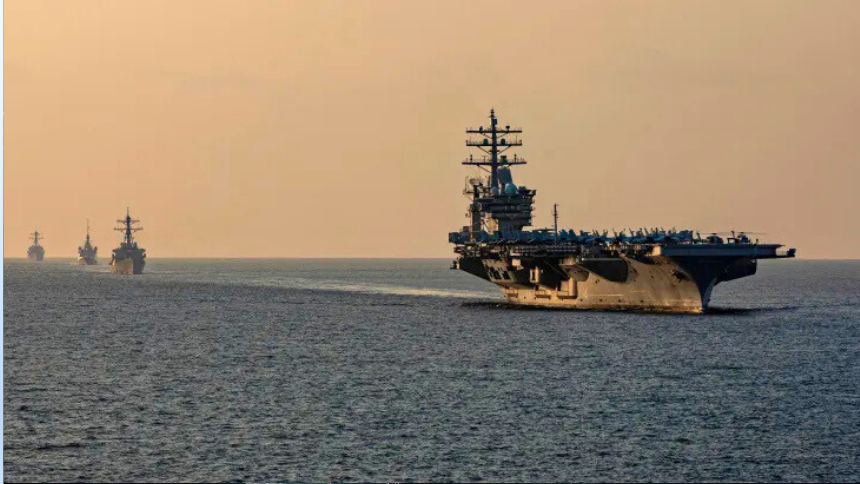
The U.S. Fifth Fleet, based in Bahrain, is tasked with safeguarding commercial shipping in the region. But military presence alone doesn’t eliminate the risk. A hostile incident could rapidly escalate, triggering military retaliation and economic fallout.
Even without full closure, uncertainty over safe passage continues to unnerve the markets, pushing oil prices higher and threatening the fragile balance of global energy security.
Read more on Iran’s Crude Exports to China Dip on Stricter Sanctions, Refinery Maintenance