A new presidential proclamation signed by President Donald Trump on Wednesday is expected to affect international travel to the United States significantly.
The policy blocks entry for citizens of 12 countries. It imposes partial restrictions on seven more, creating uncertainty for travellers, even those who have already purchased tickets or hold valid travel documents.
According to USA Today, the changes apply to travellers outside the United States who did not hold valid visas when the proclamation was signed. The policy is part of the administration’s broader immigration agenda.
Immediate Disruptions for Travellers
Travellers from the affected countries may face serious complications at U.S. ports of entry, regardless of previous travel plans. Immigration attorney Michael Wildes, managing partner at Wildes and Weinberg, told USA Today that travellers from the 19 impacted countries should expect delays or denials.


“They’re not getting in on Monday unless they qualify for one of the rare exceptions,” Wildes said. Those exceptions include diplomats, NATO personnel, athletes, and people with urgent family circumstances.
Wildes said he advises his clients not to travel to Trump’s U.S. until further notice. “I caution them not to travel and then be turned around because that would terminate their visas effectively,” he said. Being denied entry could also negatively affect future applications, as it would create an immigration history of refusal.
Exceptions and Who Can Still Enter
While the ban is wide-reaching, there are several specific exceptions. U.S. green card holders, current visa holders, and some categories of dual nationals are unaffected if they travel using a passport from a non-restricted country. There are exceptions for some immediate family immigrant visas, athletes competing in major events, and individuals granted special immigrant status.
The seven partially restricted countries—Burundi, Cuba, Laos, Sierra Leone, Togo, Turkmenistan, and Venezuela—are subject to more limited visa suspensions. Citizens from these countries will be barred from applying for certain immigrant and temporary non-immigrant visas, including student and tourist visas.
Travel Experts Warn of Confusion and Delays
Travel experts warn that the ban may lead to widespread confusion and delays, even for individuals who believe they are eligible to travel. Wildes noted that, depending on how the proclamation is enforced, travellers could be denied boarding at foreign airports or turned away upon arrival in the U.S.
“If someone is denied admission, it triggers a negative record that can follow them in future visa screenings,” he said.
Wildes also emphasised that the ban could be challenged in court, but warned that any legal process could take weeks or months. “Until that happens, travellers should avoid making plans that rely on gaining entry to the U.S.,” he said.
Impact on Families and the Travel Industry
Travellers affected by the ban may be separated from family members or miss important events, including weddings, funerals, or educational opportunities. In addition to personal consequences, experts say the policy could disrupt the broader travel industry.
“The immediate impact is likely to be seen in cancelled flights, last-minute trip changes, and reduced bookings from the impacted regions,” Wildes explained. “It’s not just individuals—airlines, hotels, and tour operators will feel the effects.”
Immigration policy analysts have also highlighted the financial and emotional cost of the ban. “It will have a serious emotional and economic effect on our nation,” Wildes added.
Ongoing Uncertainty for Travellers
The travel ban is not retroactive and does not apply to individuals with valid U.S. visas or lawful permanent resident status. However, those currently abroad without a valid visa at the time of the proclamation are subject to the new restrictions.
Experts urge travellers to consult immigration attorneys before making any travel decisions. As the situation develops, changes in enforcement and possible legal challenges may alter how the ban is applied in the future.
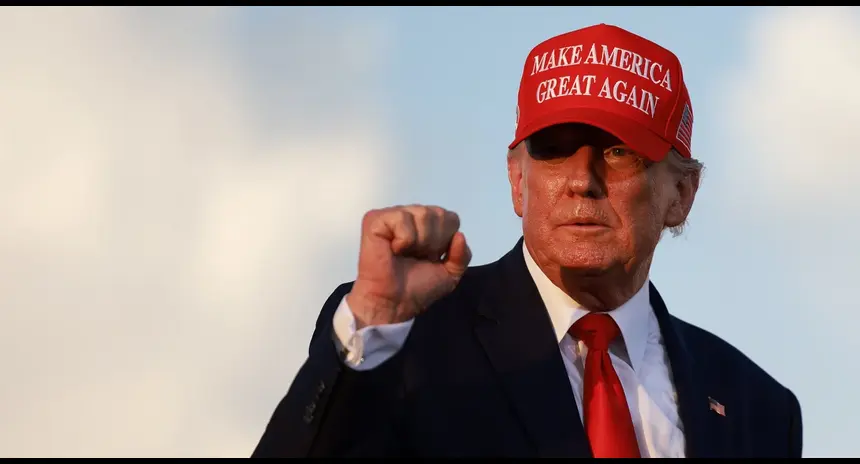
President Donald Trump