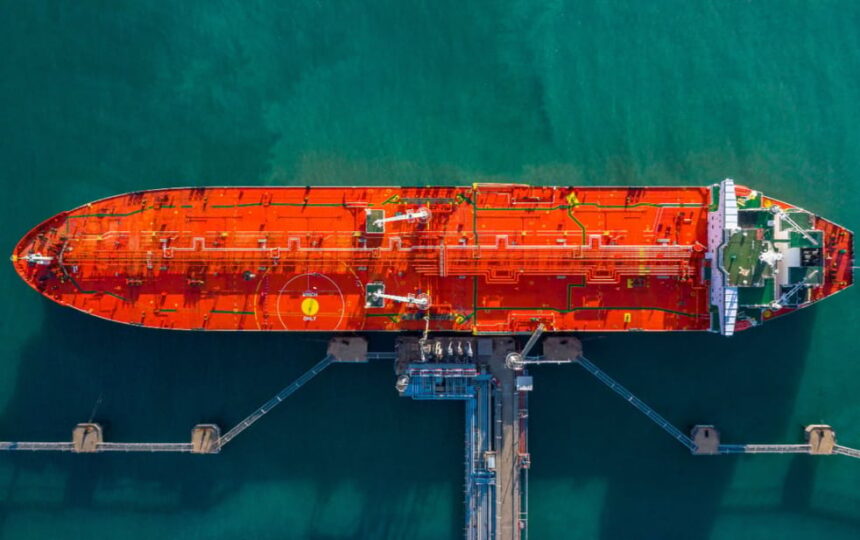
Crude oil exports from Iran to China fell sharply in May amid tighter U.S. sanctions enforcement and extended refinery maintenance among Chinese buyers, according to shipping data reported by Bloomberg and compiled by Vortexa.
Vortexa estimates show that the Middle Eastern country shipped just over 1.1 million barrels per day (bpd) of crude to China last month, down 20 percent from April levels and about 400,000 bpd lower in volume terms. However, the actual numbers may be higher, given the opaque nature of Iranian oil flows, which often involve clandestine routing strategies to bypass tracking.
Shipping analytics firm Kpler noted an uptick in tankers carrying Iranian crude switching off their Automatic Identification System (AIS) transponders, a move that conceals their position and complicates efforts to trace oil back to the country.
“Ship-to-ship transfers have long been used to hide the origin of these cargoes,” said Muyu Xu, an analyst with Kpler. “Now they’re going dark for longer periods, making it even more difficult to pinpoint the source.”
Despite the decline, analysts suggest the drop may be temporary, driven primarily by scheduled refinery maintenance in China that is now expected to stretch into July. Chinese refiners also built up inventories earlier in the year when Iranian crude was more readily available, anticipating possible disruptions from tighter U.S. sanctions.


“Delayed seasonal refinery maintenance is now expected to extend through July,” a Vortexa analyst told Bloomberg, adding that many refiners are operating from comfortable stock levels due to earlier purchases.
The Chinese country remains the largest buyer of Iranian crude, with independent refiners, often referred to as “teapots”, accounting for most of the sanctioned oil imports. The trade relationship offers mutual benefits: the country secures an outlet for its crude exports in defiance of Western sanctions, while Chinese refiners gain access to discounted barrels.
Meanwhile, diplomatic efforts to revive a nuclear deal between the U.S. and the Middle Eastern country have stalled. Any easing of oil sanctions would likely hinge on Tehran agreeing to halt uranium enrichment, something the officials of the Middle Eastern country have so far refused to consider.