Nigeria has secured a $2 billion investment from Shell and Sunlink Energies to develop the HI gas field, a major offshore project expected to transform the nation’s gas sector.
The deal, hailed by President Bola Tinubu, is expected to supply 350 million standard cubic feet of gas per day to Nigeria LNG once production starts before the end of the decade. That’s enough to support nearly a third of the Train 7 project’s feedstock needs.
“This project proves that investor confidence in Nigeria is back,” Tinubu said in Abuja on Tuesday. “It’s a clear signal that our reforms are working and that Nigeria is open for business.”
Shell said the project would deepen its role in Nigeria’s energy sector while supporting the country’s goal to grow LNG exports and expand domestic gas use. “This upstream project will help Shell grow our leading integrated gas portfolio while supporting Nigeria’s ambition to be a major global LNG player,” said Peter Costello, Shell’s Upstream President.


The HI gas field, discovered in 1985, lies 50 km off the coast in 100 metres of water and holds about 285 million barrels of oil equivalent. The joint venture gives Sunlink a 60% stake and Shell 40%, with production managed under Shell’s upstream segment.
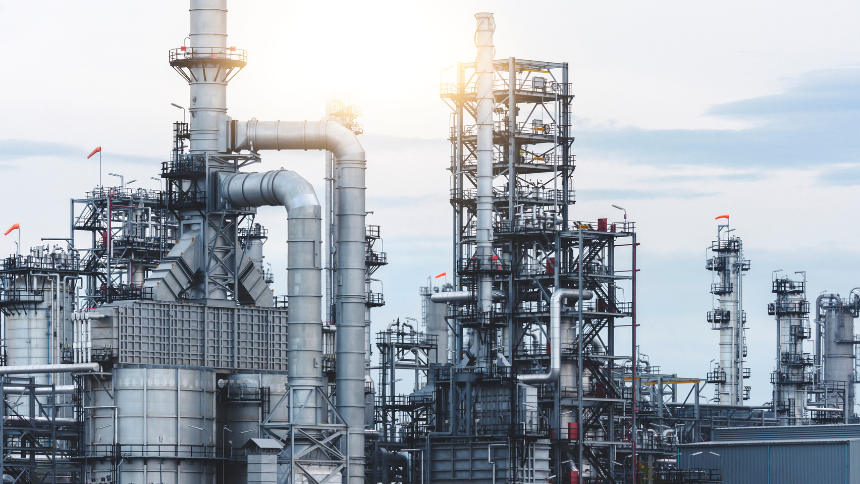
The project will include a wellhead platform, a pipeline to the Bonny terminal, and a new gas processing plant. The gas will feed the Nigeria LNG (NLNG) plant, where Shell holds a 25.6% interest, while condensate will be exported through the Bonny Oil and Gas Terminal.
According to the presidency, this is the third major oil and gas investment decision since 2023, bringing total upstream commitments to over $8 billion under Tinubu’s government.
Energy adviser Olu Verheijen said the project will “boost foreign exchange earnings, cut LPG imports, and expand clean cooking access for millions of Nigerians.”
Shell’s latest investment comes after its Bonga North deepwater project, showing a renewed commitment to long-term operations in Nigeria. The company aims to grow its global LNG volumes by 4-5% yearly until 2030, aligning with Nigeria’s economic diversification drive.
For many Nigerians, the project also promises new opportunities. Construction and operations are expected to create thousands of jobs and support local businesses in the Niger Delta.
“This is only the beginning,” said Verheijen. “With the right policies in place, investment and impact follow.”
Read also: Nigeria launches ₦4 trillion bond to clear power sector debt, improve supply