



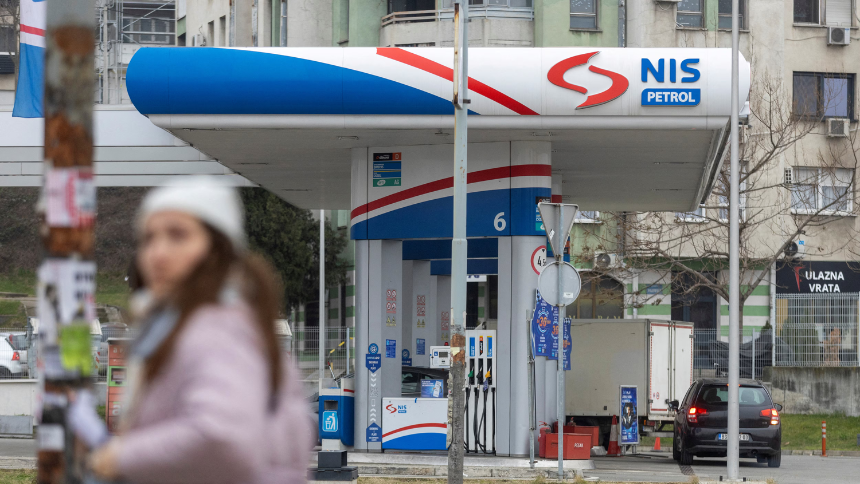
The U.S. has finally enforced sanctions on Serbia’s only oil refiner, NIS, after months of delay, a move that threatens the country’s energy industry. The company, largely owned by Russia’s Gazprom Neft, now faces major operational limits after losing its U.S. Treasury license.
NIS supplies more than 80% of Serbia’s fuel, meaning any disruption could send prices soaring and hit local businesses hard. While NIS says it has secured enough oil reserves for now, uncertainty looms for both the company and millions of Serbian consumers.
President Aleksandar Vucic has vowed not to seize Russian property but admitted Serbia must now find new ways to stay afloat. “We will not participate in the seizure of Russian property,” he said. “The U.S. has made its position clear, and Europe will follow it.” Neighboring Croatia has even offered to buy NIS if Belgrade sees it as a solution.
This crisis highlights the deep tension between Serbia’s dependence on Russian energy and its aspirations to join the European Union. How Serbia navigates this could define its economic and political future in the region.


Read also: Russia and China seal $100bn gas shift as Europe faces rising energy bills
![Turkey's President Tayyip Erdogan [Reuters]](https://theenergytime.com/wp-content/uploads/2025/10/Turkeys-President-Tayyip-Erdogan-Reuters-150x150.png)