Shell has scrapped plans to finish a major biofuels plant in Rotterdam, saying rising costs and weak margins made the project uncompetitive, in a blow to Europe’s clean energy ambitions.
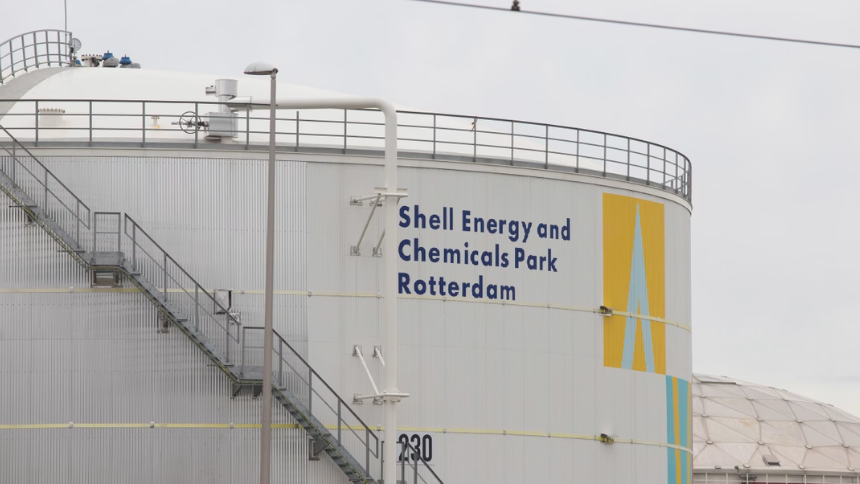
The UK-based oil major confirmed on Wednesday that it would not restart construction at its Shell Energy and Chemicals Park, one of its flagship low-carbon projects. The plant, launched in 2022, was designed to produce 820,000 tonnes of biofuels each year, including sustainable aviation fuel (SAF) and renewable diesel.
“As we evaluated market dynamics and the cost of completion, it became clear the project would be insufficiently competitive to meet our customers’ need for affordable, low-carbon products,” said Machteld de Haan, Shell’s President of Downstream, Renewables and Energy Solutions. “This was a difficult decision, but the right one.”
Shell and rival BP have cut billions from renewable energy plans in recent years, turning back toward oil and gas projects with stronger returns. Chief Executive Wael Sawan has argued that a sharp decline in fossil fuel supply would be “dangerous and irresponsible,” even as governments press for net-zero targets.
The setback highlights the fragile economics of large-scale biofuels. Analysts say inflation, construction costs, and policy uncertainty are making many projects unprofitable. Earlier this year, Greenergy, part of Trafigura, said it may shut its UK biodiesel plant for similar reasons.


Shell stressed it remains committed to energy transition investments. The company invested $8 billion in low-carbon projects between 2023 and 2024, including hydrogen, renewables, and carbon capture. It also traded more than 10 billion litres of low-carbon fuels last year, far more than it produced itself.
The Netherlands remains a key hub. Shell has pledged €1.3 billion to the Porthos carbon capture project, is building a 200 MW green hydrogen plant in Rotterdam due in 2026, and has invested €6.5 billion in Dutch energy transition projects in recent years.
Still, the cancellation is a stark reminder that Europe’s push for renewable fuels faces bigger hurdles than expected. For Shell, the focus is shifting to projects with quicker paybacks for both customers and shareholders.
Read also Clean fuel ambitions: 160 jobs at risk as UK’s biggest bioethanol plant set to close