
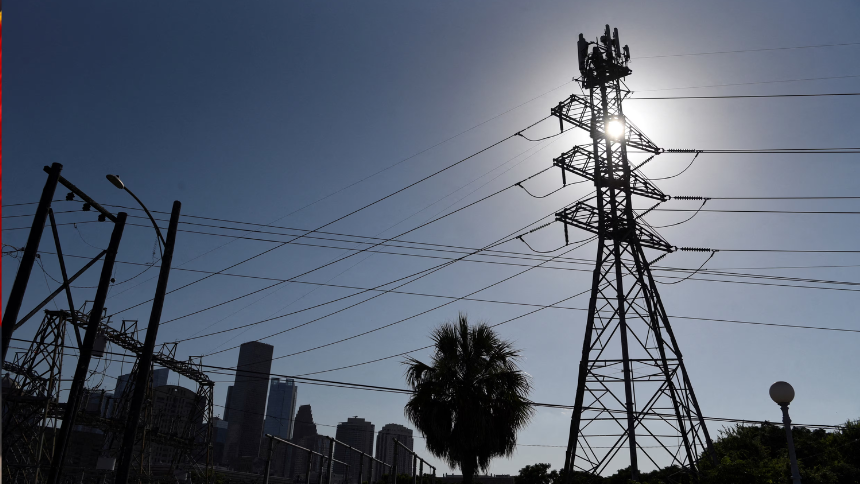
The rise of artificial intelligence (AI) is supercharging power demand across the eastern U.S., pushing the country’s largest grid operator to the brink.
The PJM Interconnection, responsible for delivering electricity to 67 million people across 13 states, is grappling with a critical mismatch between surging AI-driven demand and sluggish power plant construction. As data centers explode in number, electricity prices in some areas are expected to jump over 20% this summer alone.
Pennsylvania Governor Josh Shapiro has threatened to pull his state out of PJM unless urgent reforms bring costs down and speed up grid connections. “We need speed, we need transparency, and we need lower consumer costs,” Shapiro told Reuters. “We’re watching this closely, and all options are on the table.”
The strain has already triggered major upheaval. PJM’s CEO announced plans to step down by year-end. Two board members were ousted. At the heart of the crisis: an 800% spike in PJM’s 2023 capacity auction prices — a market mechanism meant to prevent blackouts during extreme weather. The next auction, scheduled for this Wednesday, could send prices even higher.
Despite clearing 46 gigawatts of new projects — enough to power 40 million homes — PJM said many are stalled by local opposition, supply chain issues, and financing problems. Meanwhile, over 5.6 gigawatts in power generation have been lost in the past decade due to plant closures. In 2024, PJM added just 5 gigawatts of new capacity, lagging behind smaller regional grids in Texas and California.


Artificial Intelligence is a major driver of this imbalance. Data centers, especially in Virginia’s “Data Center Alley”, now account for nearly all of PJM’s projected 32-gigawatt demand growth through 2030. The surge began after ChatGPT’s viral launch in 2023, as tech giants raced to secure grid capacity for large-scale machine learning and cloud services.
PJM has introduced emergency measures. It capped auction prices, accelerated some project timelines, and restarted dormant nuclear and gas plants under pressure from federal and state authorities. One such site, Microsoft-backed Crane Clean Energy Center, may not come online until 2027.
Still, critics say PJM’s reforms fall short. “Fast-tracking 51 projects sounds good,” said Yale energy law professor Joshua Macey, “but it means little if the interconnection queue is still broken.”
As consumer bills rise and blackout risks loom, questions mount about whether America’s aging power infrastructure can support its Artificial Intelligence ambitions. For now, the battle between innovation and infrastructure continues — and the stakes couldn’t be higher.
Read more on Power crisis deepens as vandalism hits 178 TCN towers in six months