
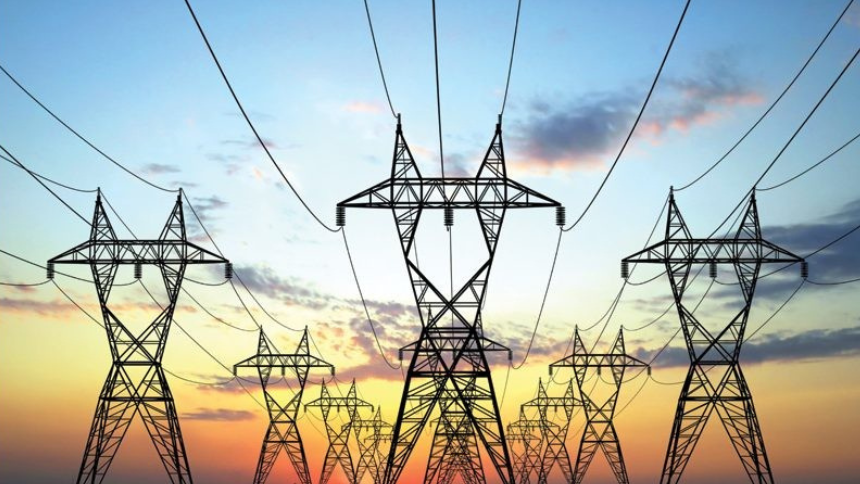
Nigeria’s fragile power grid faces increasing instability as attacks on the country’s transmission infrastructure surge.
The Transmission Company of Nigeria (TCN) revealed that 42 acts of vandalism in the first half of 2025 alone affected 178 transmission towers, a record high that threatens the reliability of the nation’s power supply.
The increasing attacks on TCN’s infrastructure raise concerns not just for those directly affected, but for the entire nation’s economy. As power supply falters, businesses suffer, leading to job losses and reduced productivity. For instance, small business owners who rely on steady power supply for their operations, such as bakeries and manufacturing units, have reported significant financial losses. In many cases, they are forced to invest in alternative power sources, which is not sustainable in the long run. The impact of these attacks echoes through various sectors, amplifying the urgency for effective solutions.
These attacks, carried out by non-state actors, impede power distribution efforts and deepen the sector’s ongoing crisis. In 2024, 86 towers were vandalised, with 26 completely down. But this year, we’ve seen more widespread damage, said Mr. Ali Sharifa, General Manager, Transmission Service at TCN, during a recent media workshop in Keffi.
Moreover, the psychological impact on the communities where these attacks occur cannot be overlooked. Residents in affected areas express feelings of insecurity and fear, which further complicates efforts to restore normalcy in power distribution. Local businesses are not the only ones affected; households also experience disruption in their daily lives, which can lead to increased anxiety and tension within families. Community leaders are urging for greater police presence and more robust support from government agencies to ensure safety and encourage local development.


Towers down, lights out: The price of sabotage
The fallout has been severe. Four towers collapsed on the Owerri–Ahoada line, plunging entire regions into darkness. In May, six additional towers fell along the Kainji–Birnin Kebbi 330kV line due to torrential storms, worsening the crisis.
The long-term consequences of these incidents extend beyond immediate power shortages. The lack of reliable electricity can deter foreign investment in Nigeria, which in turn hampers economic growth. Investors typically seek stable environments, and the frequent power outages mark Nigeria as a precarious option. According to a recent study, countries with consistent power supply see an increase in foreign direct investment by over 30%. Thus, the implications of vandalism stretch well into the future, affecting the country’s ability to recover economically.
Sharifa added, “Each tower down means power can’t be wheeled from generation points to the distribution networks. It’s a complete disruption to the electricity supply chain.”
More alarming is the economic toll. Vandalism not only affects energy access but also drains TCN’s limited resources. The company is forced to divert funds meant for expansion to constant repairs. “We’re spending more on replacing towers, increasing security, and paying contractors, all while being owed over N457 billion,” noted Mr. Sule Abdulaziz, TCN’s Managing Director.
This financial strain extends to the government as well, which faces mounting pressure to improve the power situation. Increased budget allocations will be necessary to address the rampant vandalism and repair the damaged infrastructure. Public-private partnerships could be a viable solution, where private entities can invest in security and maintenance, providing a more sustainable approach to tackling the ongoing crisis.
Communities, security forces mobilised in response
TCN is now collaborating closely with the Office of the National Security Adviser (ONSA) to curb these incidents. A pilot program is underway to install advanced surveillance on critical power lines. “We are deploying state-of-the-art monitoring technology and rolling out public sensitisation campaigns through radio, television, and social media,” Sharifa explained.
In addition to technological measures, community engagement and education play a vital role in curbing vandalism. Workshops and community programs that inform residents about the importance of protecting power infrastructure can foster a sense of ownership and responsibility. When community members understand that their livelihoods depend on a stable power supply, they may be more inclined to report suspicious activities to authorities. This grassroots approach complements TCN’s technological efforts and creates a more comprehensive strategy to prevent future incidents.
This effort is already yielding results. Several vandals have been arrested and are currently facing prosecution. TCN is also engaging local communities, urging them to view transmission assets as public property worthy of protection. “Our message is clear; when a tower falls, entire communities suffer,” Sharifa stressed.
Funding woes, idle substations stall sector reform
Furthermore, exploring alternative energy sources can help alleviate some of the pressure on the existing power grid. Initiatives promoting solar energy or wind power in rural areas could reduce dependence on transmission lines vulnerable to vandalism. By diversifying energy sources, Nigeria can build resilience in its power infrastructure, ensuring that communities can access electricity even when traditional routes are disrupted. The government could incentivize investments in renewable energy projects to foster growth in this sector.
Despite progress, the power sector remains financially burdened. TCN alone is owed N457 billion, including N217 billion in legacy debt and N240 billion for recent services rendered. These debts limit the company’s ability to expand grid infrastructure and invest in security measures.
Moreover, several completed substations remain idle due to unresolved right-of-way issues. “We have international funding from the World Bank, AFD, AfDB, and JICA,” said Mr. Aminu Tahir, General Manager, Project Coordination. “But we can’t move forward if we can’t connect substations to the grid.”
The challenges posed by idle substations highlight the importance of addressing bureaucratic hurdles in the power sector. Streamlining the approval processes for necessary permits can facilitate quicker implementation of projects, thus reducing the overall time taken to connect new substations to the grid. Involving stakeholders in discussions on improving operational efficiency can also foster collaboration and innovation in overcoming these bottlenecks.
At the core, TCN insists that the electricity value chain must remain intact. “The strength of the chain determines the power that reaches end-users,” Abdulaziz warned. “If transmission fails, the entire grid suffers.”
This holistic approach, merging community engagement, technological solutions, and streamlined processes, can significantly strengthen the electricity value chain. The integration of these elements is essential if Nigeria hopes to create a robust power sector that meets the demands of its growing population. Every effort to improve the system will have a cascading effect, ultimately leading to enhanced reliability of power supply across the country.
Read more on Power crisis: Nigeria’s telecom sector spends $350m on diesel annually
As the situation stands, it is evident that tackling the vandalism crisis is imperative for the sustainability and growth of Nigeria’s power sector. Comprehensive strategies involving both governmental agencies and local communities will be crucial in reversing the current trends. The restoration of faith in the power system is essential for the overall development of the nation, and stakeholders must work collaboratively to achieve this goal. With determination and innovation, Nigeria can overcome its power challenges and pave the way for a brighter future.