The world recorded its second-hottest May in history, driven by intensifying climate change and a searing Arctic heatwave, European Union scientists revealed.
The Copernicus Climate Change Service (C3S) said global surface temperatures in May averaged 1.4°C above the pre-industrial baseline (1850–1900). Only May 2024 was hotter, cementing the March-to-May period as the second-warmest spring ever for the northern hemisphere.
“This marks the 21st out of the last 22 months where global temperatures have breached the 1.5°C threshold,” said C3S Director Carlo Buontempo. “While this month paused the streak, it is no sign of relief. The climate system continues to warm, and we expect the threshold to be exceeded again soon.”
Rising temperatures are primarily linked to human activity, most notably the burning of fossil fuels. Scientists emphasise that breaching the 1.5°C limit, as defined by the Paris Agreement, would expose the planet to more intense and frequent extreme weather events, from droughts to flooding.
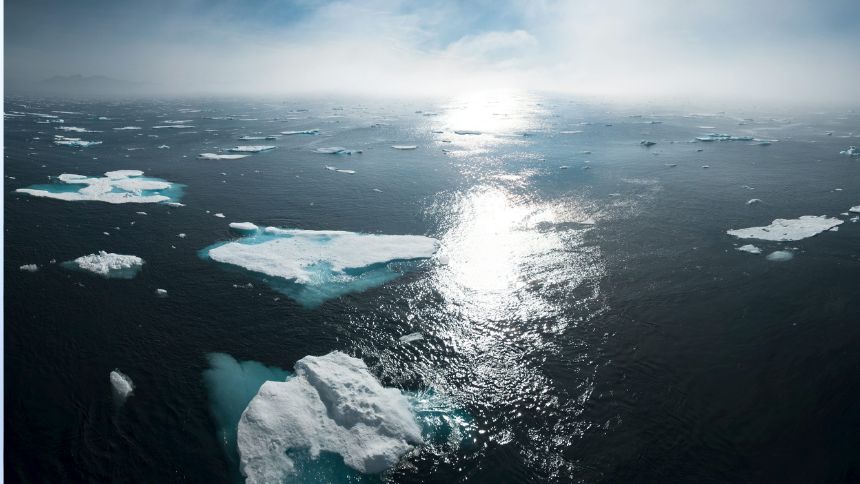
A parallel study released by the World Weather Attribution group underscored the severity of the crisis in Arctic regions. It concluded that the record-breaking heatwave in Greenland and Iceland was at least 3°C hotter due to human-driven climate change. This spike has accelerated the melting of Greenland’s ice sheet, an event with global sea-level implications.


“Even traditionally cold-climate nations are now confronting temperatures once deemed impossible,” said study co-author Sarah Kew of the Royal Netherlands Meteorological Institute. “This is climate change in real-time.”
While the 1.5°C figure refers to a long-term global average, rather than a monthly snapshot, climate scientists warn that prolonged exceedance, however brief, can disrupt ecological systems and threaten livelihoods globally. C3S records, which date back to 1940 and align with broader global data from 1850, offer one of the clearest indicators yet of the accelerating crisis.
Read more on Wildfire Forces Evacuations, Shuts Down Oil Output in Canada’s Alberta