
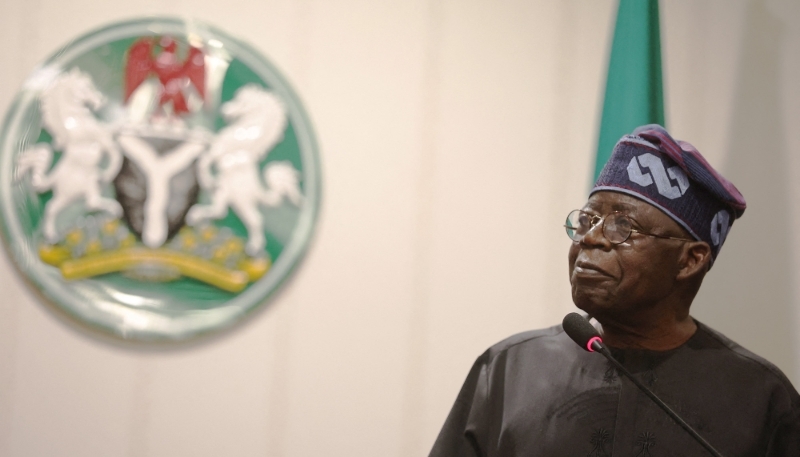
Nigeria and Saudi Arabia’s state oil giant, Aramco, are struggling to finalise a landmark $5 billion oil-backed loan deal, as a recent slump in crude oil prices has raised alarm among banks meant to finance the arrangement, four sources familiar with the matter told Reuters.
The proposed facility would mark Nigeria’s largest oil-backed borrowing to date and Saudi Arabia’s first major financial engagement of this scale with the country. However, the drop in oil prices might reduce the final size of the loan, according to the sources.
President Bola Tinubu initially proposed the loan during a meeting with Saudi Crown Prince Mohammed bin Salman in Riyadh last November at the Saudi-Africa Summit, two of the sources said. Until now, no details of the ongoing negotiations have been publicly disclosed.
The sluggish pace of the talks highlights the pressure caused by the recent fall in oil prices, mainly driven by OPEC+ shifting its strategy to regain market share rather than cutting output.
Brent crude has dropped around 20%, sliding from over $82 per barrel in January to approximately $65. This decline means Nigeria would need to commit more barrels of oil to secure the loan, but years of inadequate investment have made it harder to reach production targets.


Last month, President Tinubu sought approval to borrow $21.5 billion from foreign sources to support the national budget. Sources indicated that the $5 billion deal under discussion with Aramco is expected to be a component of that broader borrowing plan.
According to the sources, banks expected to co-finance the loan alongside Aramco have raised concerns about the reliability of Nigeria’s oil deliveries, further slowing the negotiations.
The sources added that Gulf-based financial institutions and at least one African bank are involved in the discussions. Reuters was unable to identify the specific banks.
“It’s difficult to find anyone willing to underwrite the loan,” one source said, pointing to uncertainty over the availability of the required oil shipments.
Saudi Aramco declined to comment on the matter. Nigeria’s national oil firm, NNPC, and the ministries of finance and petroleum also did not respond to requests for comment.
Nigeria has a long history of using oil-backed loans to support the national budget, strengthen foreign reserves, or refurbish state-owned refineries.
The proposed $5 billion Aramco deal would be secured against at least 100,000 barrels of oil per day, sources said.
If finalised, the loan would nearly double the approximately $7 billion Nigeria has borrowed through oil-backed deals over the past five years.
Currently, around 300,000 barrels per day are allocated to repaying existing oil-backed loans via the NNPC, though one such loan is anticipated to be fully repaid this month.
These repayment volumes are fixed, but when crude prices fall, the time it takes to settle the loans increases.
In addition, with oil prices lower, NNPC must allocate more crude to cover its share of operational costs with joint-venture partners, including global companies like Shell and local firms such as Oando and Seplat.
“You either have to source more crude oil or renegotiate those agreements,” said another source familiar with the matter.
Nigerian trading company Oando is expected to handle the physical lifting and trading of the oil cargoes, according to the sources.
Oando declined to comment.
NNPC is working to raise production, while President Tinubu has issued an executive directive to cut oil production costs, potentially freeing more revenue from each barrel produced.
Nigeria, Africa’s largest oil exporter, based its 2024 budget on an oil price of $75 per barrel and assumed production at 2 million barrels per day. However, according to OPEC’s May market report, output in April stood at just under 1.5 million bpd.