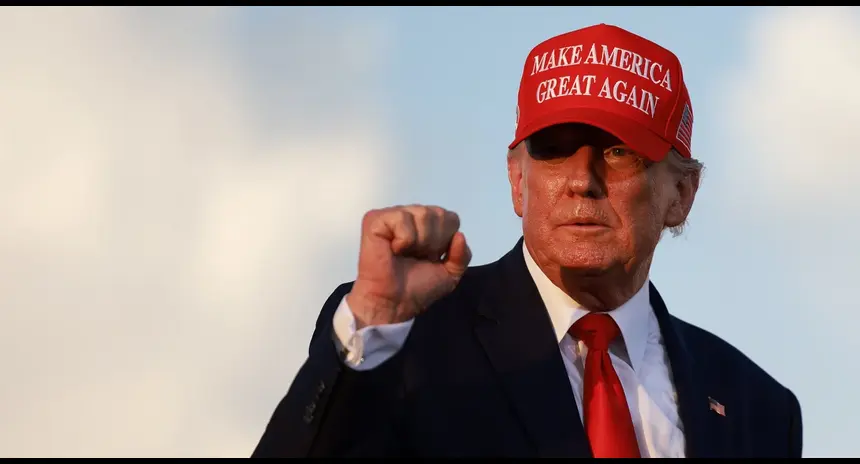
The travel ban signed by former U.S. President Donald Trump has come into effect, preventing citizens from 12 countries from entering the United States.
According to BBC News, the order was implemented on Monday, June 9th, 2025. It restricts entry to nationals from Afghanistan, Myanmar, Chad, Congo-Brazzaville, Equatorial Guinea, Eritrea, Haiti, Iran, Libya, Somalia, Sudan, and Yemen.
Citizens from seven additional countries, including Burundi, Cuba, Laos, Sierra Leone, Togo, Turkmenistan, and Venezuela, will also face partial restrictions.
Travel Restrictions and Exceptions
Reports cite that this is the second time Trump has signed such an order, with a similar travel ban enacted during his first term in 2017. The White House described the current action as necessary to protect U.S. citizens.


“The common sense restrictions will protect Americans from dangerous foreign actors,” a White House statement said.
Read also: 5 Timely Ways Trump’s Travel Ban Disrupts International Plans
The order includes several exemptions. It does not apply to:
- U.S. lawful permanent residents
- Immediate family members of U.S. citizens holding immigrant visas
- U.S. government employees with Special Immigrant Visas
- Children being adopted
- Dual nationals not travelling on a passport from a restricted country
- Afghan nationals with Special Immigrant Visas
- Immigrant visa holders from Iran facing ethnic or religious persecution
- Foreign nationals on certain non-immigrant visas
- Athletes, coaches, and family members travelling for events such as the 2026 FIFA Men’s World Cup or the 2028 Summer Olympics in Los Angeles
The Secretary of State may also grant individual exemptions on a case-by-case basis if the person is determined to serve U.S. national interests.
Security Concerns and Justifications
In a video shared on his Truth Social platform, Trump cited a recent violent incident in Colorado as a justification for the new restrictions.
He referred to the June 1st attack in Boulder, where 12 people were injured during a gathering in support of Israeli hostages. Authorities have called the incident a suspected terror attack involving incendiary weapons. The suspect is an Egyptian national, although Egypt is not on the list of restricted countries.
Trump stated that the event “underscored the extreme dangers” of allowing individuals into the U.S. without strict vetting.
The president added that the list of banned countries could be revised based on changes in security risks. Governments’ “Material improvements” may lead to removal from the list, while new countries could be added if new threats emerge.
International and Domestic Reactions
The decision has triggered immediate responses from international governments and domestic political leaders. Chad responded by suspending all U.S. visa applications, while Somalia indicated it would work with the U.S. to improve security cooperation.
The African Union issued a statement urging the U.S. to open a dialogue with the affected countries.
Reports indicate that lawmakers in the United States expressed divided opinions. Congresswoman Pramila Jayapal said, “This ban, expanded from Trump’s Muslim ban in his first term, will only further isolate us on the world stage.”
On the other hand, Republican Congressman Clay Higgins defended the move, telling the BBC, “Travel to the U.S. is a privilege, not a right.”
Legal and Political Implications
Legal experts suggest the new ban, like the 2017 order, may face court challenges. Human rights organisations and immigration advocates have also indicated that they are reviewing the ban for potential legal action.
Trump’s office has stated that national security is the administration’s top priority, and it will continue taking necessary actions to prevent potential threats.
The full impact of the new travel restrictions is expected to unfold in the coming weeks as visa applicants and affected families seek guidance on how the policy will be implemented.