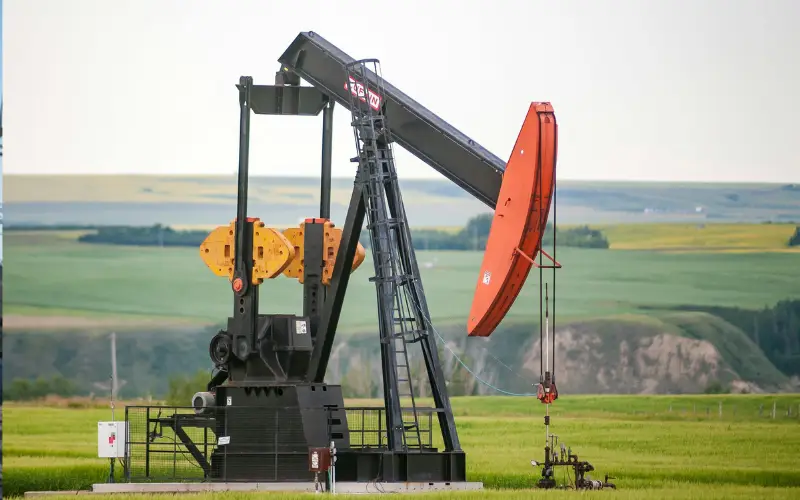
As OPEC+ ramps up oil production, the group is not just punishing overproducing members—it is aiming at U.S. shale once again in a high-stakes bid to reclaim global market share.
The move comes amid a fragile global oil market and at a time when U.S. shale producers are more vulnerable than they have been in years. With drilling costs rising and prime fields dwindling, American producers are under pressure. Meanwhile, Saudi Arabia and Russia are preparing to endure lower prices that could push some U.S. firms to the brink.
“The idea is to create enough uncertainty with prices below $60 a barrel,” said one source familiar with Saudi Arabia’s strategy. Multiple OPEC+ delegates and industry insiders, speaking anonymously, confirmed to Reuters that regaining lost ground in the market is a key motivation behind the group’s surprise decision on May 3 to accelerate output.
U.S. shale oil production surged over 60% in the last decade, reaching 22.71 million barrels per day (bpd) in 2024. Over the same period, OPEC production edged down to 32.39 million bpd, while its global market share plunged from 40% to under 25%, according to OPEC data.
By contrast, Saudi Arabia enjoys some of the world’s lowest production costs—between $3 and $5 per barrel. Russia follows with $10 to $20. But U.S. shale producers, facing inflation and more complex extraction zones, now need at least $65 per barrel to remain profitable, according to the Dallas Fed.


“The best acreage is gone. Costs are up. And now we’re hit with more supply,” said Linhua Guan, CEO of Surge Energy America. “OPEC+ hiking production is clearly aimed at squeezing U.S. shale.”
Recent signs confirm the strain: Diamondback Energy has cut its 2025 forecast, citing rising OPEC+ supply, while ConocoPhillips warned that oil prices near $50 could force widespread activity reductions.
The global benchmark Brent crude has already fallen to near $58 per barrel in April, its lowest in four years. According to Baker Hughes, the U.S. oil and gas rig count also dropped to a new low this month.
Still, there’s no formal declaration of a price war yet. But signs are mounting. Russian sources admit their goals align with Riyadh’s in pressuring both U.S. shale and OPEC+ members like Iraq and Kazakhstan for non-compliance.
“It’s time to reclaim lost share,” said one OPEC+ insider. “We’ve spent years cutting while others expanded.”
Together, OPEC+ now produces about 48% of the world’s oil. But the fight for dominance has come at a price. Though Riyadh and Moscow can withstand lower prices longer than most, their economies remain oil-dependent.
The IMF estimates Russia needs oil above $77 per barrel to balance its budget. For Saudi Arabia, that threshold is over $90. Yet, Saudi officials have told allies they’re prepared to tolerate Brent at $60—even if it means borrowing more.
This aggressive stance could trigger widespread pain. Lower prices hurt producers, threaten dividends, and pressure oil-reliant governments. And though the United States has led global oil growth for a decade, a new chapter of fiscal fragility is unfolding.
Read more on Oil prices end week higher, but looming Iran supply, OPEC+ output cast shadow