Oil giant Shell has reported a 122% rise in operational oil spills from its Nigerian joint venture in 2024, raising fresh concerns about ageing infrastructure, persistent sabotage, and mounting environmental risks in Africa’s largest oil-producing nation.
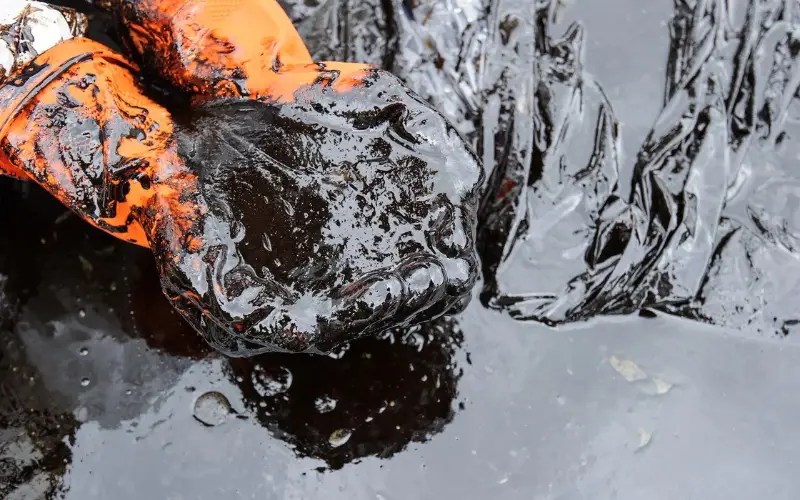
According to Shell Plc’s 2024 Annual Report and Accounts, the Shell Petroleum Development Company of Nigeria Ltd. (SPDC) recorded 20 operational spill incidents involving over 100 kilograms of crude oil, more than double the nine spills reported in 2023.
The spike in spills was mainly linked to faulty, locally made pipeline clamps, which failed after illegal connections were removed. “The manufacturer has since recalled the defective batch,” the report noted, adding that SPDC has begun replacing the affected equipment.
Shell also reported that the total volume of operational oil spills rose sharply to 0.37 thousand tonnes in 2024, from 0.005 thousand tonnes in 2023, with 89% of the volume linked to two major incidents: one onshore along the Trans Niger Pipeline and the other offshore at a terminal loading buoy.
Despite technological upgrades and intensified surveillance, oil theft and sabotage remain persistent challenges. The report revealed that 84 out of 130 crude oil spills recorded in 2024 were caused by third-party interference, spilling 2.0 thousand tonnes—a rise in volume despite fewer incidents compared to 139 theft-related spills totalling 1.4 thousand tonnes in 2023.


“This decline in incident numbers is a sign of progress in our anti-theft measures, but the impact remains significant,” Shell stated.
To combat the problem, SPDC JV expanded its use of drones, surveillance flights, and CCTV monitoring in vulnerable areas, while reinforcing wellheads and manifolds with protective cages and anti-theft nuts. The company also maintained close cooperation with Nigerian security agencies to curtail illegal activities along its pipelines.
Shell’s report paints Nigeria as a high-risk operating environment, citing regulatory uncertainty, political instability, and economic volatility as major concerns. Risks include forced asset divestment, retroactive tax claims, project delays, and compliance issues due to evolving local content and environmental laws.
“Nigeria’s business climate continues to present challenges that could materially impact Shell’s operations and investments,” the company warned.
Globally, Shell said it paid $5.34 billion in taxes and charges to the Nigerian government in 2024, the highest payout to any government that year. Meanwhile, it denied rumours of a $1.3 billion onshore asset sale to the Renaissance Consortium, insisting the deal involves a share transaction instead.
Read more on Shell pays Nigeria record $5.34bn in 2024, highest globally